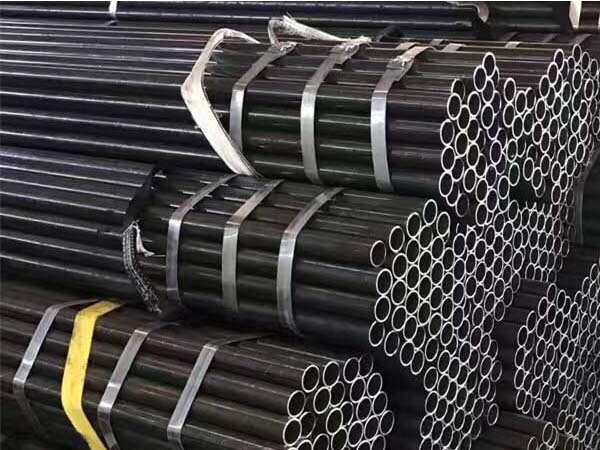
SCH 10 steel pipe is a common type of thin-walled steel pipe. For many projects, SCH 10 steel pipe is frequently used in stainless steel and some low-pressure carbon steel piping systems due to its thin wall thickness, light weight, and relatively controllable cost.
One of the most important questions customers ask during the selection process is: What pressure can an SCH 10 steel pipe withstand?
To answer this question accurately, we need to analyze the definition of a schedule, the logic of pressure calculation, and the engineering characteristics of different materials.
What is a schedule 10 pipe?
A Schedule (SCH) is a numbering system used in the ASME piping standard system to represent the wall thickness class of steel pipes. It does not directly correspond to a fixed pressure value, but rather provides a relatively unified wall thickness classification standard for different nominal sizes (NPS).
The core characteristic of SCH 10 steel pipe is its "thin wall". For the same nominal dimensions, SCH 10 has a significantly thinner wall than
SCH 40 and
SCH 80, giving it a clear advantage in weight, material consumption, and installation costs. Common materials include:
Stainless steel SCH 10 pipe (ASTM A312 TP304 / TP316)
Carbon steel SCH 10 pipe (ASTM A53 / ASTM A106 Grade B)
There is no "uniform pressure rating" for SCH 10 pipe. In engineering design, its permissible working pressure is typically calculated based on standards such as ASME B31.3 (process piping) or ASME B31.1 (power piping).
Key factors affecting the pressure rating of SCH 10 steel pipes include:
Nominal size (higher NPS indicates lower pressure capacity)
Wall thickness (a major limiting factor for SCH 10)
Allowable stress in the material
Operating temperature
Safety factor and corrosion allowance
Due to the thin wall thickness of SCH 10 steel pipes, their design pressure capacity decreases rapidly as the pipe diameter increases or the temperature rises. This is why SCH 10 is more commonly used in low- to medium-pressure systems, rather than high-pressure or high-impact applications.
Typical pressure range of SCH 10 stainless steel pipe (MPa)
|
NPS
|
Outside Diameter (mm)
|
Wall Thickness (mm)
|
Typical Pressure Range (MPa)
|
|
1"
|
33.40
|
2.77
|
4.5 – 8.0
|
|
2"
|
60.33
|
2.77
|
4.0 – 5.5
|
|
4"
|
114.30
|
3.05
|
1.8 – 2.8
|
|
6"
|
168.28
|
3.40
|
1.4 – 2.2
|
|
8"
|
219.08
|
3.76
|
1.0 – 2.0
|
|
10"
|
273.05
|
4.19
|
0.8 – 1.6
|
Under normal temperature conditions, SCH 10 stainless steel pipes are suitable for a wider range of operating conditions due to their higher allowable stress and good corrosion resistance.
Typical applications: chemical piping, food-grade pipelines, cooling water systems, and corrosion-resistant fluid transport.
Typical pressure range of SCH 10 carbon steel pipe (MPa)
|
NPS
|
Outside Diameter (mm)
|
Wall Thickness (mm)
|
Typical Pressure Range (MPa)
|
|
1"
|
33.40
|
2.77
|
4.0 – 7.5
|
|
2"
|
60.33
|
2.77
|
4.0 – 5.5
|
|
4"
|
114.30
|
3.05
|
2.0 – 2.8
|
|
6"
|
168.28
|
3.40
|
1.4 – 2.1
|
|
8"
|
219.08
|
3.76
|
1.0 – 1.4
|
|
10"
|
273.05
|
4.19
|
0.8 – 1.1
|
SCH 10 carbon steel pipe is typically used in low-pressure systems in engineering, and its pressure capacity is more significantly affected by corrosion allowance and long-term safety requirements.
In actual projects, SCH 10 carbon steel pipe is usually limited to low-pressure applications ≤2.0 MPa.
Note: The pressure values listed above are typical reference ranges for SCH 10 steel pipe under ambient temperature conditions. Actual allowable pressure shall be determined in accordance with ASME B31 piping design codes, considering pipe size, material grade, temperature, corrosion allowance, and specific service conditions.
Why is the pressure of SCH 10 carbon steel lower than that of stainless steel?
Under the same schedule rating, the usable pressure of SCH 10 carbon steel pipe is generally lower than that of stainless steel. This is not due to a single factor, but rather the result of multiple engineering considerations.
First, stainless steel allows for higher allowable stress levels in design specifications, exhibiting less performance degradation, especially under temperature variations or corrosive environments.
Second, carbon steel typically requires a corrosion allowance in practical engineering, while SCH 10 itself has limited wall thickness. Once this allowance is deducted, its effective pressure-bearing capacity decreases significantly.
Furthermore, carbon steel is commonly used in critical systems such as oil and gas and steam, where specifications are more conservative in terms of safety factors and fatigue assessments.
Therefore, under thin-walled conditions, stainless steel SCH 10 pipes often offer engineering advantages over carbon steel.
How to select the right schedule for your project
SCH 10 Steel Pipe: Low to medium pressure, large diameter, weight and cost-sensitive systems.
SCH 40 Steel Pipe: Most commonly used medium-pressure piping choice.
SCH 80 Steel Pipe: High pressure, high temperature, or critical operating conditions.
If system pressure is uncertain, selecting a higher schedule level is generally safer.
Frequently Asked Questions About Schedule 10 Pipe Pressure(FAQ)
1. Which has a higher pressure resistance, Schedule 10 or Schedule 40?
Schedule 40 has a thicker wall and therefore a higher pressure resistance. Schedule 10 has a thinner wall and is lighter, making it suitable for low-pressure systems; Schedule 40 is suitable for medium to high pressure systems.
2. Can Schedule 10 pipe be used in high-pressure systems?
No. It is a thin-walled pipe, only suitable for low-pressure or non-critical systems. For high-pressure applications, Schedule 40, 80, or higher wall thickness pipes should be selected.
3. What precautions should be taken when using Schedule 10 pipe?
It must be ensured that the system pressure does not exceed the pipe's rated value, corrosion allowance and temperature effects must be considered, and proper use must be in accordance with piping specifications.
4.What is Schedule 10S?What is the difference between Schedule 10S and Sch 10?
Schedule 10S strictly follows the ASME B36.19 standard and specifically refers to stainless steel pipe. Schedule 10 mainly follows the ASME B36.10 standard and usually refers to carbon steel pipe. Although the wall thickness may be the same for some dimensions, the physical properties of the materials determine their pressure resistance and application scenarios are completely different.
Summary
SCH 10 steel pipe is not designed for high-pressure applications, but rather as a typical low- to medium-pressure thin-walled piping solution. Under normal temperature conditions, its pressure capacity varies significantly with pipe diameter and material. Specifically, stainless steel SCH 10 pipe is more suitable for relatively high operating pressures, while carbon steel SCH 10 pipe should be strictly limited to low-pressure applications.
Read more : Steel Pipe Pressure Ratings Guide or What pressure is schedule 40 pipe?
 Central Steel


 Language
 English
 Español
 بالعربية
 sales@central-steels.com
 0086-731-8865-5017