 Central Steel
Central Steel
Central Steel
Central Steel
Central Steel
When selecting steel pipes for pressure systems, the pipe schedule (SCH) directly determines wall thickness and therefore the maximum allowable pressure. Among commonly used schedules, SCH 10, SCH 40, and SCH 80 are the most frequently compared options in industrial, construction, oil & gas, and fluid transmission projects. This article focuses on a pressure rating comparison between SCH 10, SCH 40, and SCH 80, and further explains the factors that influence pressure capacity and proper schedule selection.
What are pipe pressure ratings and pipe specifications?
In practical engineering, pressure ratings are determined based on wall thickness, material strength, operating temperature, and applicable design codes such as ASME B31.3, ASME B31.4, and ASME B31.8. The schedule number represents the wall thickness classification of a pipe. For the same Nominal Pipe Size (NPS), the outside diameter remains unchanged, while the wall thickness increases from SCH 10 to SCH 80. As a result, thicker pipes can withstand higher internal pressure due to reduced hoop stress.
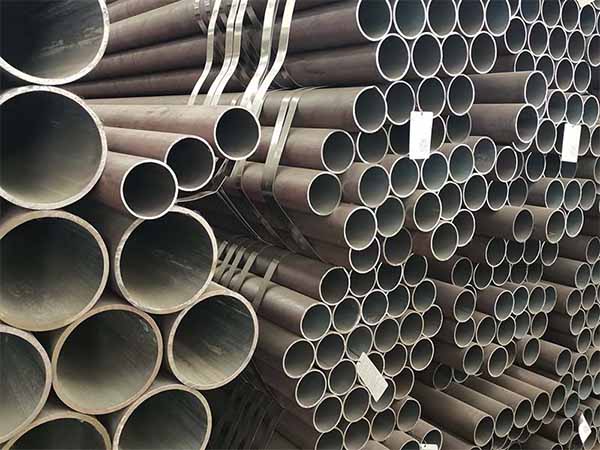
SCH 10 vs SCH 40 vs SCH 80: pressure rating comparison
From a pressure-resistance perspective, the relationship is clear:
SCH 80 has the highest pressure rating, followed by SCH 40, while SCH 10 has the lowest.
|
Size |
Outside |
Wall |
Inside |
Schedule |
Temperature (oF) |
|||||||
|
100 |
200 |
300 |
400 |
500 |
600 |
650 |
700 |
|||||
|
Allowable Stress (psi) |
||||||||||||
|
20000 |
20000 |
20000 |
20000 |
18900 |
17300 |
17000 |
16500 |
|||||
|
2 |
2.375 |
0.109 |
2.157 |
10 |
1660 |
1660 |
1660 |
1660 |
1568 |
1436 |
1411 |
1369 |
|
|
2.375 |
0.154 |
2.067 |
40 |
2377 |
2377 |
2377 |
2377 |
2247 |
2056 |
2021 |
1961 |
|
|
2.375 |
0.218 |
1.939 |
80 |
3433 |
3433 |
3433 |
3433 |
3244 |
2970 |
2918 |
2832 |
|
2 1/2 |
2.875 |
0.12 |
2.635 |
10 |
1505 |
1505 |
1505 |
1505 |
1422 |
1302 |
1279 |
1241 |
|
|
2.875 |
0.203 |
2.469 |
40 |
2600 |
2600 |
2600 |
2600 |
2457 |
2249 |
2210 |
2145 |
|
|
2.875 |
0.276 |
2.323 |
80 |
3602 |
3602 |
3602 |
3602 |
3404 |
3116 |
3062 |
2972 |
|
3 1/2 |
4.000 |
0.12 |
3.76 |
10 |
1073 |
1073 |
1073 |
1073 |
1014 |
928 |
912 |
885 |
|
|
4.000 |
0.226 |
3.548 |
40 |
2059 |
2059 |
2059 |
2059 |
1946 |
1781 |
1750 |
1699 |
|
|
4.000 |
0.318 |
3.364 |
80 |
2946 |
2946 |
2946 |
2946 |
2784 |
2549 |
2505 |
2431 |
|
4 |
4.500 |
0.12 |
4.26 |
10 |
951 |
951 |
951 |
951 |
899 |
823 |
808 |
785 |
|
|
4.500 |
0.237 |
4.026 |
40 |
1914 |
1914 |
1914 |
1914 |
1809 |
1656 |
1627 |
1579 |
|
|
4.500 |
0.337 |
3.826 |
80 |
2766 |
2766 |
2766 |
2766 |
2614 |
2393 |
2351 |
2282 |
|
6 |
6.625 |
0.134 |
6.357 |
10 |
718 |
718 |
718 |
718 |
679 |
621 |
610 |
592 |
|
|
6.625 |
0.28 |
6.065 |
40 |
1524 |
1524 |
1524 |
1524 |
1441 |
1319 |
1296 |
1258 |
|
|
6.625 |
0.432 |
5.761 |
80 |
2391 |
2391 |
2391 |
2391 |
2260 |
2069 |
2033 |
1973 |
|
14 |
14.00 |
0.25 |
13.5 |
10 |
633 |
633 |
633 |
633 |
598 |
547 |
538 |
522 |
|
|
14.00 |
0.438 |
13.124 |
40 |
1120 |
1120 |
1120 |
1120 |
1058 |
968 |
952 |
924 |
|
|
14.00 |
0.75 |
12.5 |
80 |
1948 |
1948 |
1948 |
1948 |
1841 |
1685 |
1656 |
1607 |
|
16 |
16.00 |
0.25 |
15.5 |
10 |
553 |
553 |
553 |
553 |
523 |
478 |
470 |
456 |
|
|
16.00 |
0.5 |
15 |
40 |
1118 |
1118 |
1118 |
1118 |
1057 |
967 |
950 |
923 |
|
|
16.00 |
0.812 |
14.376 |
80 |
1842 |
1842 |
1842 |
1842 |
1740 |
1593 |
1565 |
1519 |
*The calculations of allowable pressure in the table above are made with the ANSI/ASME Piping Code B31.1 equation:
P = 2 SE (tm - A) / (Do - 2 y (tm - A))
Under identical material and temperature conditions, SCH 80 pipes can handle significantly higher internal pressure than SCH 40, while SCH 10 is generally limited to low-pressure service or structural applications.
Why wall thickness directly affects pressure rating
Pipe pressure capacity is commonly calculated using Barlow’s formula, where allowable pressure is proportional to wall thickness and allowable stress, and inversely proportional to outside diameter. Since SCH 80 pipes have much thicker walls than SCH 40 and SCH 10, they provide greater resistance to internal pressure and external mechanical loads. This is the fundamental reason SCH 80 is specified for critical pressure services.
Key factors influencing pipe pressure rating
Although schedule is crucial, pressure rating is not determined by wall thickness alone:
Material grade: ASTM A106, ASTM A53, API 5L, and stainless steel pipes have different allowable stresses. Higher-strength grades result in higher pressure ratings.
Operating temperature: As temperature increases, allowable stress decreases, reducing the pipe’s pressure capacity.
Pipe diameter: Larger diameters lower pressure resistance even at the same schedule.
Design code and safety factor: ASME and API standards apply different calculation rules, affecting allowable pressure values.
These factors explain why pressure ratings must always be confirmed using design codes rather than relying solely on schedule charts.
Typical applications by schedule and pressure level
SCH 10 pipes are mainly used in low-pressure environments such as HVAC systems, drainage lines, fire sprinkler mains, and corrosion-resistant stainless steel pipelines where weight reduction and cost efficiency are priorities.
SCH 40 pipes are the most widely used, suitable for water supply, oil and gas pipelines, compressed air systems, and general industrial pressure piping.
SCH 80 pipes are commonly applied in high-pressure steam lines, chemical processing plants, power generation facilities, and oil & gas projects where safety margins are critical.
How to select the right pipe schedule
Choosing between SCH 10, SCH 40, and SCH 80 should be based on design pressure, operating temperature, fluid type, and applicable standards. SCH 10 is economical for low-pressure systems, SCH 40 offers the best balance between cost and pressure performance, while SCH 80 is the preferred choice for high-pressure or high-risk applications requiring enhanced durability and safety.
Conclusion: pressure rating differences between SCH 10, SCH 40, and SCH 80
In summary, SCH 10, SCH 40, and SCH 80 differ primarily in wall thickness and pressure rating. SCH 10 is suitable for low-pressure applications, SCH 40 serves as the industry standard for most pressure pipelines, and SCH 80 provides the highest pressure resistance for demanding operating conditions. Understanding these differences ensures safer design, optimized costs, and long-term reliability in piping systems.
Read more : Steel Pipe Pressure Ratings Guide


 Language
 English
 Español
 بالعربية
 sales@central-steels.com
 0086-731-8865-5017