 Central Steel
Central Steel
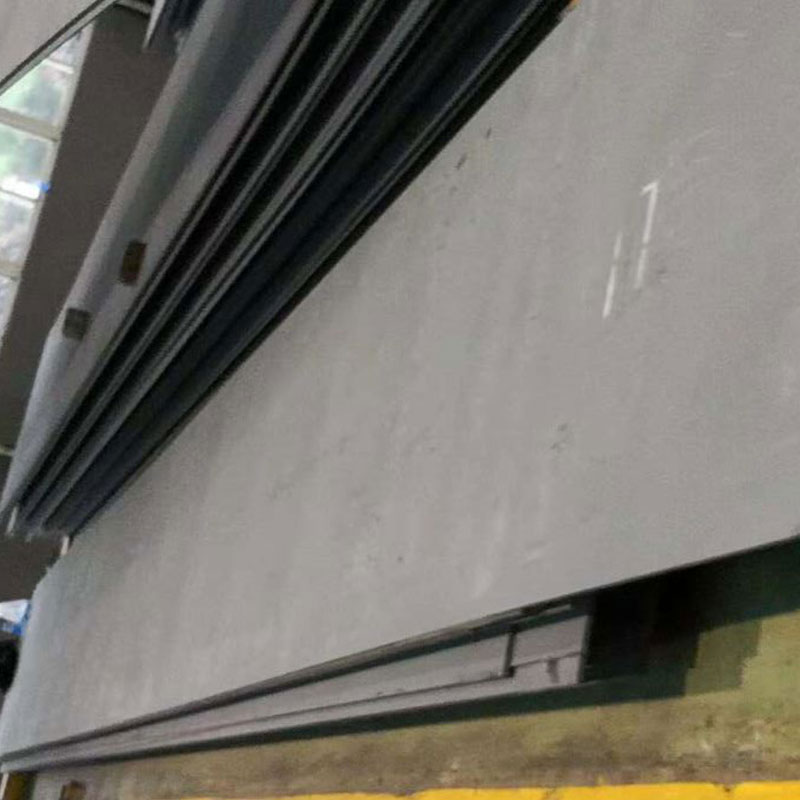
Shipbuilding Steel Plates (Class Society Certified)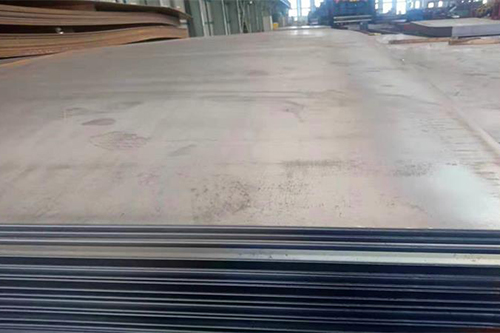
Our shipbuilding plates are certified by international classification societies including ABS, LR, DNV, BV, GL, KR, and CCS.
The thickness range for shipbuilding steel plates varies depending on the steel grade and the classification society. For general hull structural steel (grades A, B, D, and E), the available thickness typically starts from approximately 4.762 mm. Taking the American Bureau of Shipping (ABS) standards as an example, the thickness of grade A steel generally ranges from 4.762 mm to 76.2 mm, while high-strength steels (such as AH32/36/40, DH32/36/40, and EH32/36/40) can be supplied in thicknesses of up to 150 mm.
The difference between Shipbuilding Steel Plate Grade A Vs B lies in the temperature of the impacting test, as well as the impacting energy value.
Grades: A, B, D, E, AH32/36/40, DH32/36/40, EH32/36/40
According to its yield strength, shipbuilding plate of can be divided into below grades:
Grade A steel is the impact force subjected to normal temperature (20 ° C).
Grade B steel impact force at 0 °C.
Grade D steel impact force at -20 °C.
Grade E steel impact force at -40 °C.
High-strength shipbuilding steel plate can be further divided into: AH32, DH32, EH32; AH36, DH36, EH36 and AH40, DH40, EH40.
1. The general grades A, B, D, and E are distinguished according to the impact temperature of the steel. The impact values of all grades of steel are the same.
2. High-intensity hull structure steel preheating requirements: For all AH, DH, EH plate thickness greater than 30mm angle, butt joints, shall be preheating to 120 ~ 150 °C before welding.
3. For AH/DH/EH plate with thickness greater than 30 mm, fillet and butt joints shall be preheated to 120–150°C before welding. For thickness ≤ 30 mm: preheat to 75°C when ambient temperature is below 5°C; preheat to 75–100°C when ambient temperature is below 0°C.
Thickness Range: 5 mm – 150 mm (grade-dependent; ordinary-strength A/B/D/E often 5mm–100 mm, higher-strength AH/DH/EH 5mm–150 mm)
Width Range: 1500 mm – 3900 mm
Length Range: 6 m, 12 m, or coils (cut-to-length on request)
Delivery Condition:
Hot Rolled (HR), Control Rolled (CR), Thermo-Mechanical Control Process (TMCP), Normalized (N)
Chemical and Mechanical Requirements
|
Elements |
C |
Mn |
Al |
Si |
P |
S |
|
AH32 |
≤0.18 |
0.7~1.60 |
≥0.015 |
0.10~0.50 |
≤0.04 |
≤0.04 |
|
DH32 |
≤0.18 |
0.90~1.60 |
≥0.015 |
0.10~0.50 |
≤0.04 |
≤0.04 |
|
EH32 |
≤0.18 |
0.90~1.60 |
≥0.015 |
0.10~0.50 |
≤0.04 |
≤0.04 |
|
AH36 |
≤0.18 |
0.7~1.60 |
≥0.015 |
0.10~0.50 |
≤0.04 |
≤0.04 |
|
DH36 |
≤0.18 |
0.90~1.60 |
≥0.015 |
0.10~0.50 |
≤0.04 |
≤0.04 |
|
EH36 |
≤0.18 |
0.90~1.60 |
≥0.015 |
0.10~0.50 |
≤0.04 |
≤0.04 |
C (carbon) is an indispensable strengthening element in steel, but the increase in C content reduces the low-temperature impact toughness of steel and deteriorates the weldability of steel. Therefore, it is necessary to control the C content in the steel.
According to the experience of producing aluminsum-containing steel, in order to ensure the aluminum content in the steel and the fluidity of the molten steel, the method of pre-deoxidation is strictly to control the carbon content of the end point and the alloying of the large-pack alloy to control the oxidation of the molten steel. The way of adding aluminum.
In order to ensure good low temperature impact toughness of the steel grade, the rolling of the 355MPa class ship plate adopts a strict type II controlled rolling process.
|
Mechanical Properties |
|||||||
|
Steel Grade |
Thickness/mm
|
Yield point/ MPa |
Tensile strength/ MPa |
Elongation/ % |
V-type impact test |
||
|
|
|
|
|
|
Temperature/ ℃ |
Average impact absorption workAkv/J |
|
|
|
|
|
|
|
|
Vertical |
Horizontal |
|
A |
≤50 |
≥235 |
400~490 |
≥22 |
- |
- |
- |
|
B |
≤50 |
≥235 |
400~490 |
≥22 |
0 |
≥27 |
≥20 |
|
D |
≤50 |
≥235 |
400~490 |
≥22 |
-10 |
≥27 |
≥20 |
|
E |
≤50 |
≥235 |
400~490 |
≥22 |
-40 |
≥27 |
≥20 |
|
AH32 |
≤50 |
≥315 |
440~590 |
≥22 |
0 |
≥31 |
≥22 |
|
DH32 |
≤50 |
≥315 |
440~590 |
≥22 |
-20 |
≥31 |
≥22 |
|
EH32 |
≤50 |
≥315 |
440~590 |
≥22 |
-40 |
≥31 |
≥22 |
|
AH36 |
≤50 |
≥355 |
490~620 |
≥22 |
0 |
≥34 |
≥24 |
|
DH36 |
≤50 |
≥355 |
490~620 |
≥22 |
-20 |
≥34 |
≥24 |
|
EH36 |
≤50 |
≥355 |
490~620 |
≥22 |
-40 |
≥34 |
≥24 |




 Language
 English
 Español
 بالعربية
 sales@central-steels.com
 0086-731-8865-5017