 Central Steel
Central Steel
Central Steel
Central Steel
Central Steel
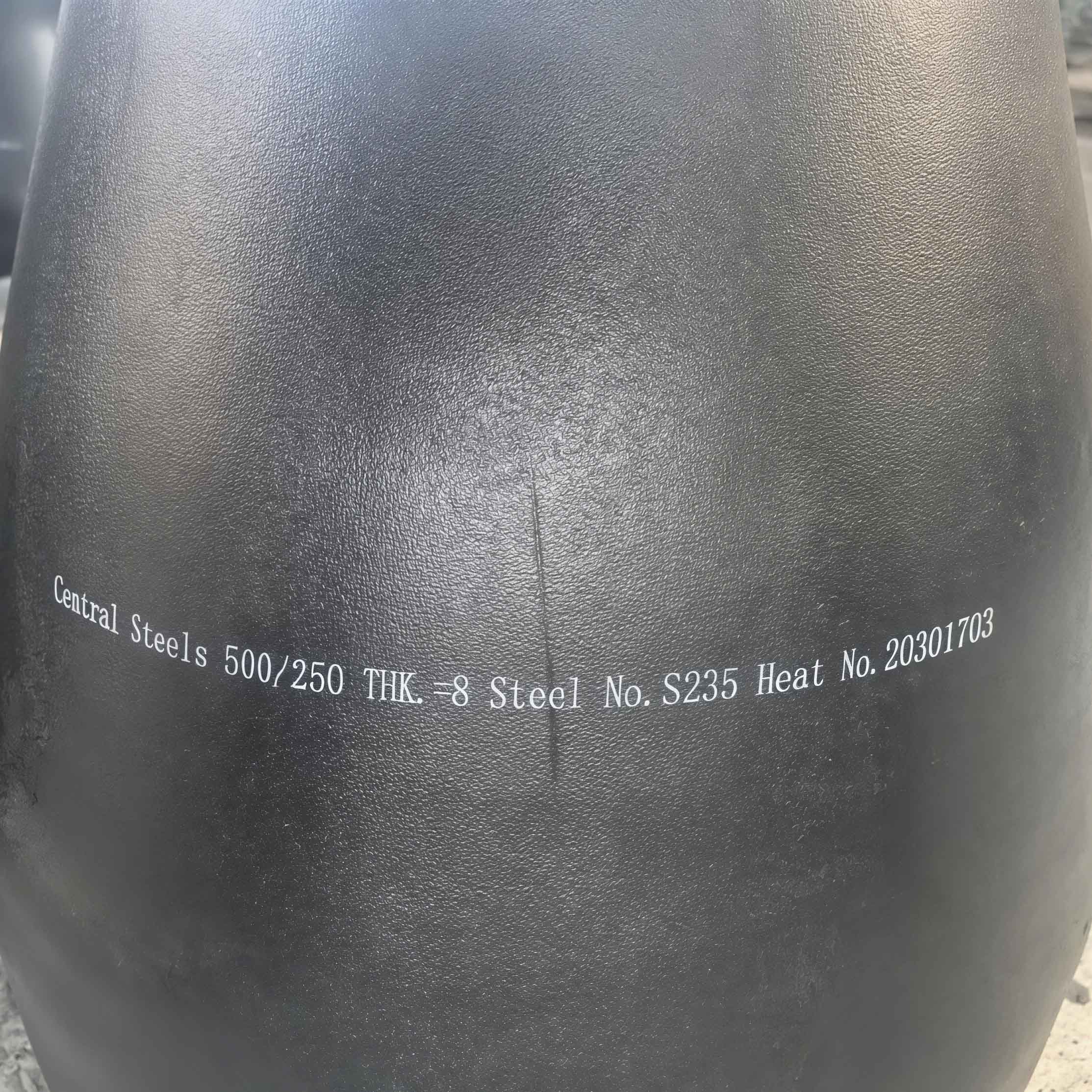
Steel Pipe Reducer Specifications
|
Item |
Carbon Steel Reducer |
Stainless Steel Reducer |
|
Product Type |
Concentric / Eccentric |
Concentric / Eccentric |
|
Size |
NPS 1/2–48 |
NPS 1/2–48 |
|
Material Grades |
ASTM A234 WPB, WPC ASTM A420 WPL6 (Low Temp) ASTM A860 WPHY 42, 52, 60, 65, 70 DIN/EN 1.0405 (P265GH), P235GH |
ASTM A403 WP304, WP304L, WP316, WP316L, WP321, WP347 Duplex Steel: S31803 / S32205, S32750 |
|
Dimension Standard |
ASME B16.9, JIS B2312, JIS B2313 |
ASME B16.9, MSS SP-43, JIS B2312, JIS B2313 |
|
Wall Thickness |
SCH 5S–SCH 160, STD, XS, XXS |
SCH 5S–SCH 160, STD, XS, XXS |
|
Connection |
Butt Weld |
Butt Weld |
|
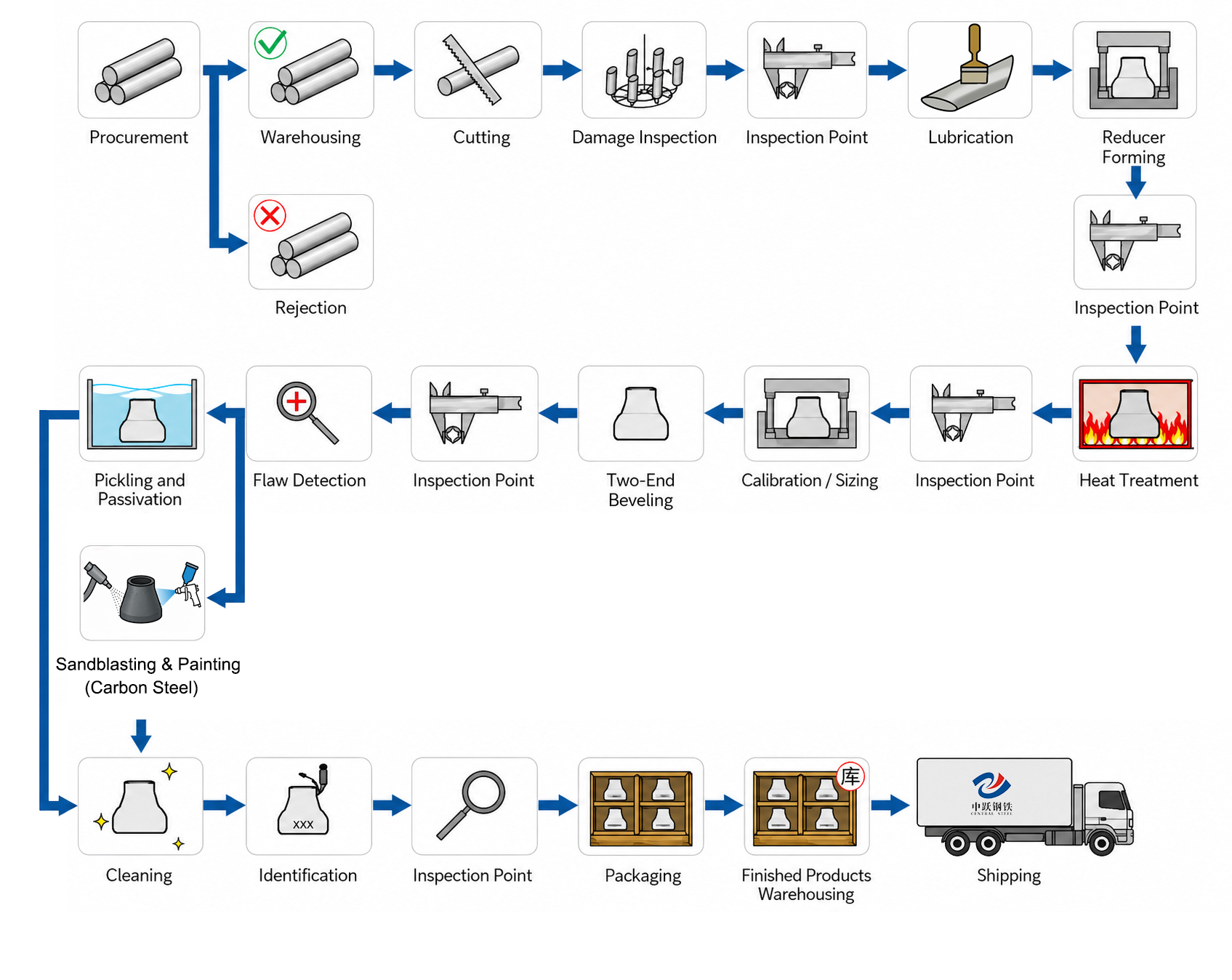
Manufacturing |
Hot Formed / Cold Formed |
Hot Formed / Cold Formed |
|
Customization |
Available |
Available |
Types of Steel Pipe Reducers
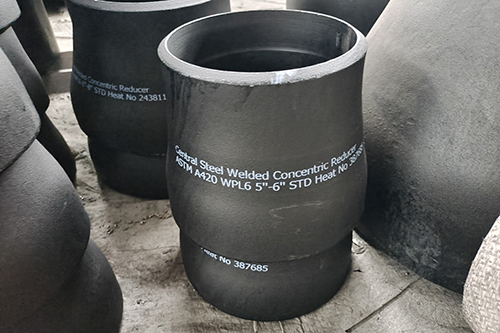
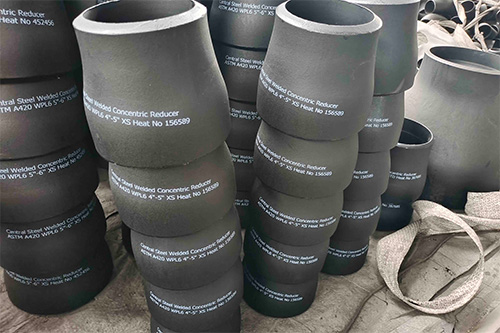
Concentric reducer
A concentric reducer connects two pipes of different diameters while keeping their centerlines aligned. It is commonly used in vertical piping and applications where maintaining a symmetrical flow path is important.
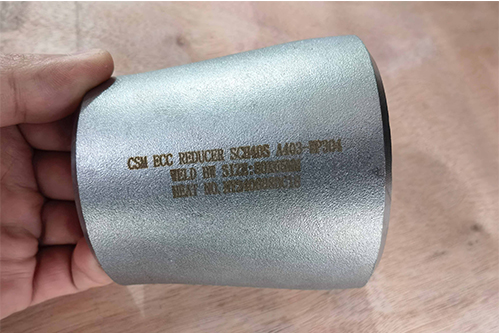
Stainless Steel Concentric Reducer
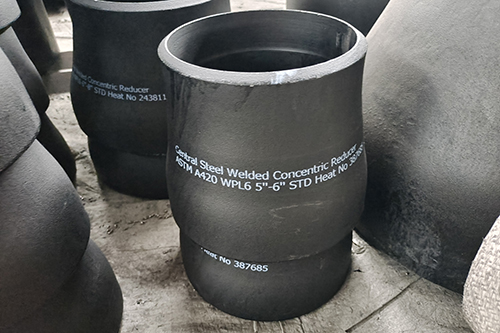
Stainless Steel Concentric Reducer
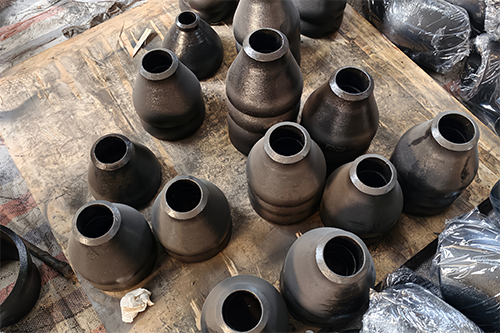
Eccentric reducer
An eccentric reducer connects pipes of different diameters with an offset centerline. It is commonly used in horizontal piping, particularly where drainage, pump suction, or prevention of air accumulation is important.
Stainless Steel Eccentric Reducer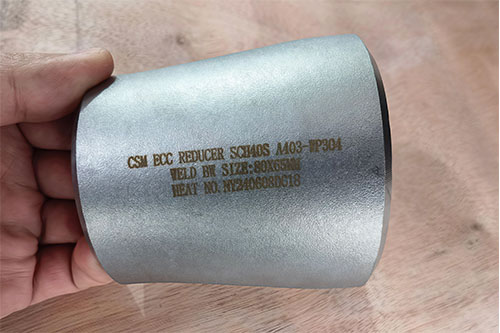
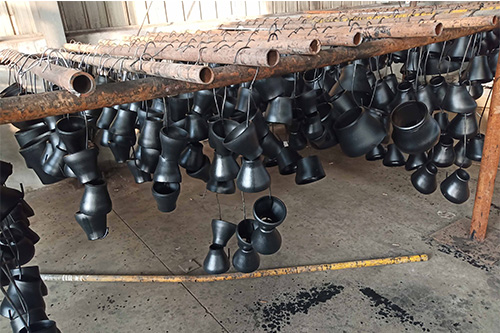
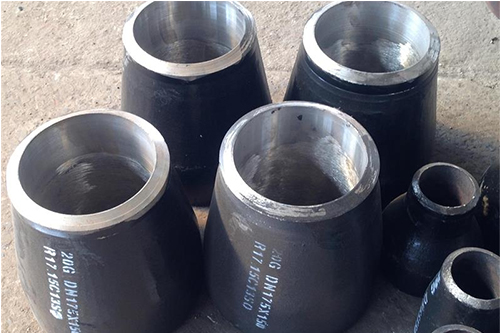
Carbon Steel Eccentric Reducer
Applications
Steel pipe reducers are commonly used in: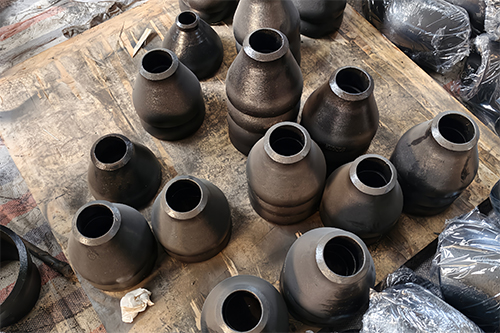
Oil and gas pipelines
Petrochemical and chemical processing
Power generation
Water treatment and distribution
Industrial process piping
Shipbuilding and offshore engineering
HVAC and chilled-water systems
How to Choose a Pipe Reducer?
The selection of a pipe reducer should consider the following factors:
Reducer type — Choose a concentric reducer when the pipe centerlines need to remain aligned; choose an eccentric reducer when an offset transition is required.
Pipe size — Specify the large-end and small-end NPS.
Material — Select carbon steel, stainless steel, or another alloy according to the fluid and operating conditions.
Wall thickness — Match the reducer schedule or wall thickness with the connected piping system.
Dimension standard — Confirm ASME B16.9, MSS SP-43, JIS, or another project-specific standard.
Service conditions — Consider pressure, temperature, corrosion resistance, and applicable piping codes.


 Language
 English
 Español
 بالعربية
 sales@central-steels.com
 0086-731-8865-5017