 Central Steel
Central Steel
Central Steel
Central Steel
Central Steel
Material and standards
|
Item |
Specification |
|
Product |
Hastelloy pipe fittings |
|
Material grades |
Hastelloy C276, Hastelloy C22 |
|
C276 |
UNS N10276 |
|
C22 |
UNS N06022 |
|
Wrought fitting standard |
ASTM B366/B366M, where applicable |
|
Forged fitting and flange standard |
ASTM B462, where applicable |
|
Related seamless pipe and tube specification |
ASTM B622, where applicable to the specified pipe or tube product |
|
Related plate, sheet, and strip specification |
ASTM B575, where applicable to the specified raw material |
|
Fitting types |
Elbows, tees, reducers, caps, flanges, and other specified fittings |
|
Dimensions |
According to the applicable dimensional standard and project requirements |
|
Delivery Condition |
As manufactured, solution annealed, descaled, or as specified |
Manufacturing Process Of Hastelloy Pipe Fittings
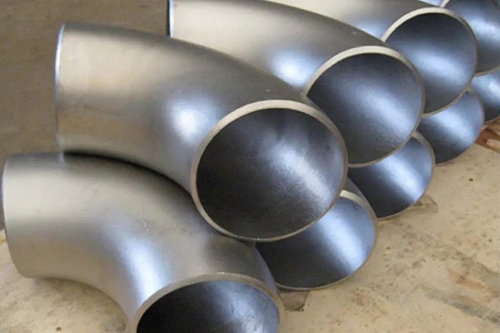
Hot Working: Following hot rolling or forging, necessary heat treatment is performed to relieve stress and optimize mechanical properties.
Cold Working: Processes such as cold rolling and cold drawing are used to enhance the material's strength and hardness.
Welding: Welding methods such as TIG (Tungsten Inert Gas), MIG (Metal Inert Gas), or SMAW (Shielded Metal Arc Welding) are employed to ensure the weld seam possesses corrosion resistance equivalent to that of the base metal.
Annealing: To eliminate stresses and deformation resulting from processing, Hastelloy pipe fittings typically undergo solution annealing; this is generally carried out at approximately 1100°C followed by rapid cooling to preserve the alloy's microstructure and properties.
Types of Hastelloy pipe fittings
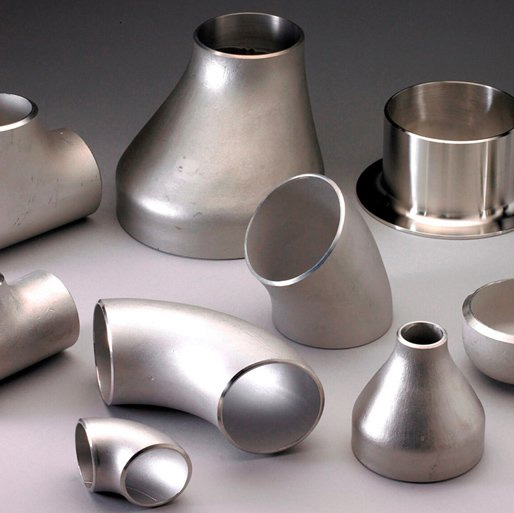
Hastelloy pipe fittings are available in various configurations to meet the connection and flow-control requirements of corrosion-resistant piping systems. Common types include elbows, tees, reducers, and caps, which are used to change flow direction, create branch connections, connect different pipe diameters, and close pipe ends.
Hastelloy elbows
Hastelloy elbows are used to change the direction of flow in piping systems, typically by 45° or 90°. They help route pipelines around equipment, structural obstacles, and other piping components while maintaining corrosion resistance in aggressive service environments.
Common types include 45-degree elbows, 90-degree elbows, and 180-degree return bends, subject to the applicable product specification and manufacturing capability. Long-radius and short-radius configurations may also be available where specified.
Hastelloy elbows are suitable for chemical processing, petrochemical facilities, pollution control systems, and other applications involving corrosive fluids.
Hastelloy tee
Hastelloy tees are pipe fittings used to create a branch connection, allowing fluid to split from a main pipeline or combine with another flow path. They typically have three openings and are available in configurations such as equal tees and reducing tees.
An equal tee has the same nominal size for the run and branch, while a reducing tee has a smaller branch connection.
Hastelloy tees are used in corrosive chemical transfer lines, process equipment, and industrial piping systems where resistance to aggressive media is essential.
Hastelloy reducers
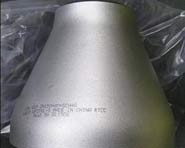
Hastelloy reducers connect pipes of different nominal sizes and provide a gradual transition between larger and smaller pipe diameters. They are commonly used to accommodate changes in flow requirements, connect different equipment nozzles, and match piping sections of different sizes.
Two common types are concentric reducers and eccentric reducers. Concentric reducers have a common centerline and are generally used where a symmetrical transition is required. Eccentric reducers have offset centerlines and may be selected to maintain a level pipe bottom or top, depending on the piping arrangement.
Hastelloy reducers are suitable for corrosive process piping in chemical plants, petrochemical facilities, and other demanding industrial applications. Dimensions, wall thicknesses, and end connections should be selected according to the applicable standards and project drawings.
Hastelloy caps
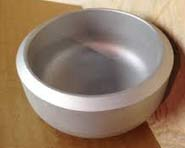
Hastelloy pipe caps are used to close the end of a pipe, creating a sealed termination in a piping system. They may be installed at pipeline ends, equipment connections, or branches that are not currently in use, provided the cap and connection are designed for the intended service conditions.
Common configurations include butt-welding caps and other end-closing designs specified for the piping system. The required dimensions, wall thickness, and connection type depend on the pipe size, design pressure, temperature, and applicable product specification.
Applications
Hastelloy pipe fittings are commonly used in:
Chemical processing plants
Petrochemical and refining facilities
Acid production and chemical handling systems
Flue gas desulfurization systems
Pollution control equipment
Marine and offshore piping systems
Wastewater treatment facilities
Pharmaceutical and specialty chemical processing
Heat exchangers and process equipment
Piping systems transporting corrosive liquids and gases
Hastelloy Elbow Fittings Size Chart
|
Nominal Pipe Size (NPS) |
Outside Diameter (O.D.) (mm) |
45° Long Radius Center-to-End (mm) |
90° Long Radius Center-to-End (mm) |
90° 3D Center-to-End (mm) |
45° 3D Center-to-End (mm) |
|
1/2" |
21.3 |
16 |
38 |
38 |
— |
|
3/4" |
26.7 |
19 |
38 |
57 |
24 |
|
1" |
33.4 |
22 |
38 |
76 |
31 |
|
1-1/4" |
42.2 |
25 |
48 |
95 |
39 |
|
1-1/2" |
48.3 |
29 |
57 |
114 |
47 |
|
2" |
60.3 |
35 |
76 |
152 |
63 |
|
2-1/2" |
73.0 |
44 |
95 |
190 |
79 |
|
3" |
88.9 |
51 |
114 |
229 |
95 |
|
3-1/2" |
101.6 |
57 |
133 |
267 |
111 |
|
4" |
114.3 |
64 |
152 |
305 |
127 |
|
5" |
141.3 |
79 |
190 |
381 |
157 |
|
6" |
168.3 |
95 |
229 |
457 |
189 |
|
8" |
219.1 |
127 |
305 |
610 |
252 |
|
10" |
273.0 |
159 |
381 |
762 |
316 |
|
12" |
323.8 |
190 |
457 |
914 |
378 |
|
14" |
355.6 |
222 |
533 |
1067 |
441 |
|
16" |
406.4 |
254 |
610 |
1219 |
505 |
|
18" |
457.0 |
286 |
686 |
1372 |
568 |
|
20" |
508.0 |
318 |
762 |
1524 |
632 |
|
22" |
559.0 |
343 |
838 |
1676 |
694 |
|
24" |
610.0 |
381 |
914 |
1829 |
757 |
Hastelloy End Cap Dimensions Chart
|
Nominal Size (NPS) |
Outside Diameter (O.D.) (mm) [Completed] |
Height 1 (mm) |
Height 2 (mm) |
|
1/2" |
21.3 |
25 |
25 |
|
3/4" |
26.7 |
25 |
25 |
|
1" |
33.4 |
38 |
38 |
|
1-1/4" |
42.2 |
38 |
38 |
|
1-1/2" |
48.3 |
38 |
38 |
|
2" |
60.3 |
44 |
38 |
|
2-1/2" |
73.0 |
51 |
38 |
|
3" |
88.9 |
64 |
51 |
|
3-1/2" |
101.6 |
76 |
64 |
|
4" |
114.3 |
76 |
64 |
|
5" |
141.3 |
89 |
76 |
|
6" |
168.3 |
102 |
89 |
|
8" |
219.1 |
127 |
102 |
|
10" |
273.0 |
152 |
127 |
|
12" |
323.8 |
178 |
152 |
|
14" |
355.6 |
191 |
165 |
|
16" |
406.4 |
203 |
178 |
|
18" |
457.0 |
229 |
203 |
|
20" |
508.0 |
254 |
229 |
|
22" |
559.0 |
254 |
254 |
|
24" |
610.0 |
305 |
267 |
|
26" |
660.0 |
— |
267 |
|
28" |
711.0 |
— |
267 |
|
30" |
762.0 |
— |
267 |
|
32" |
813.0 |
— |
267 |
|
34" |
864.0 |
— |
237 |
|
36" |
914.0 |
— |
267 |
|
38" |
965.0 |
— |
305 |
|
40" |
1016.0 |
— |
305 |
|
42" |
1067.0 |
— |
305 |
|
44" |
1118.0 |
— |
343 |
|
46" |
1168.0 |
— |
343 |
|
48" |
1219.0 |
— |
343 |
Hastelloy Tee Dimensions Chart
|
Nominal Pipe Size (NPS) |
Outside Diameter (O.D.) (mm) |
Center-to-End Run C (mm) |
Center-to-End Outlet M (mm) |
|
1/2" |
21.3 |
25 |
25 |
|
3/4" |
26.7 |
29 |
29 |
|
1" |
33.4 |
38 |
38 |
|
1-1/4" |
42.2 |
48 |
48 |
|
1-1/2" |
48.3 |
57 |
57 |
|
2" |
60.3 |
64 |
64 |
|
2-1/2" |
73.0 |
76 |
76 |
|
3" |
88.9 |
86 |
86 |
|
3-1/2" |
101.6 |
95 |
95 |
|
4" |
114.3 |
105 |
105 |
|
5" |
141.3 |
124 |
124 |
|
6" |
168.3 |
143 |
143 |
|
8" |
219.1 |
178 |
178 |
|
10" |
273.0 |
216 |
216 |
|
12" |
323.8 |
254 |
254 |
|
14" |
355.6 |
279 |
279 |
|
16" |
406.4 |
305 |
305 |
|
18" |
457.0 |
343 |
343 |
|
20" |
508.0 |
381 |
381 |
|
22" |
559.0 |
419 |
419 |
|
24" |
610.0 |
432 |
432 |


 Language
 English
 Español
 بالعربية
 sales@central-steels.com
 0086-731-8865-5017