This is a frequently asked question in the steel industry. In fact, low-carbon steel is a type of carbon steel. However, the relationship between the two is often misunderstood because carbon steel refers to a broad category of steel, while low-carbon steel refers to a specific subtype within that category.
Simply put:
All low-carbon steel is carbon steel, but not all carbon steel is low-carbon steel. Understanding this distinction is crucial for engineers, manufacturers, and purchasing personnel. Choosing the wrong material can affect the strength, weldability, durability, and cost of an entire project.
This article will explain what carbon steel and low-carbon steel are, the differences between them, and which material is best suited for various applications.
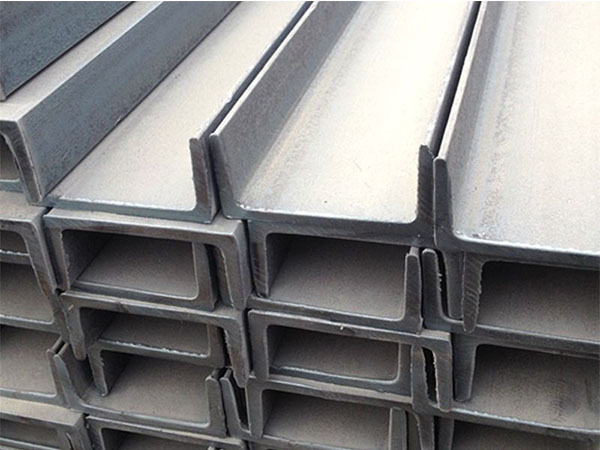
What is Carbon Steel?
Carbon steel is an iron-carbon alloy, where carbon is the primary alloying element. Unlike stainless steel, carbon steel contains almost no chromium, and its mechanical properties depend primarily on its carbon content. Carbon content has a significant impact on the strength, hardness, ductility, and weldability of carbon steel.
Carbon steel is primarily classified based on its carbon content:
|
Carbon Steel Type
|
Carbon Content
|
|
Low Carbon Steel (Mild Steel)
|
0.05% – 0.25%
|
|
Medium Carbon Steel
|
0.25% – 0.60%
|
|
High Carbon Steel
|
0.60% – 1.00%
|
|
Ultra-High Carbon Steel
|
1.00% – 2.00%
|
As carbon content increases, the strength, hardness, and wear resistance of the steel increase, but weldability and ductility decrease. Low-carbon steel is the category with the lowest carbon content, exhibiting relatively lower strength and hardness, but higher weldability and ductility.
What is Mild Steel?
Mild steel, also known as
low-carbon steel, is a type of carbon steel with a carbon content of approximately 0.05% to 0.25%. Due to its relatively low carbon content, low-carbon steel offers an excellent balance of strength, ductility, machinability, and weldability. It is one of the most commonly used engineering materials globally.
Typical Characteristics of Low-Carbon Steel
Excellent Weldability: Due to its low carbon content, low-carbon steel possesses excellent weldability. This superior performance allows for reliable connections using a variety of common welding processes, including:
TIG or GTAW (Gas Shielded Tungsten Inert Gas Welding): Used for high-precision joints.
MIG (Metal Injection Gas) Welding: Suitable for automotive repair, construction, shipbuilding, and general manufacturing.
SAW (Submerged Arc Welding): Used for heavy-duty manufacturing.
SMAW (Shielded Metal Arc Welding): Suitable for construction, repair, and other harsh outdoor applications.
Excellent Machinability: Low-carbon steel has good ductility and plasticity, allowing for better machining and significantly reducing the risk of cracking and breakage.
Low Production Costs: Low-carbon steel has abundant raw materials and can be produced through large-scale processes. It requires only a small amount of alloying elements, resulting in significant cost savings.
Low-Carbon Steel vs. Carbon Steel: What's the Difference?
While low-carbon steel is a type of carbon steel, there are important differences between this specific material category and the broader classification.
|
Property
|
Mild Steel
|
Carbon Steel
|
|
Definition
|
Low-carbon steel
|
General category of steel
|
|
Carbon Content
|
0.05%–0.25%
|
0.05%–2.0%
|
|
Strength
|
Moderate
|
Varies widely
|
|
Hardness
|
Lower
|
Can be much higher
|
|
Weldability
|
Excellent
|
Depends on carbon level
|
|
Ductility
|
High
|
Decreases with carbon content
|
|
Cost
|
Generally lower
|
Varies by grade
|
|
Applications
|
Structural and fabrication uses
|
Broad industrial applications
|
How to Identify Mild Steel from Other Carbon Steels
Determining whether a material is mild steel can be achieved through several methods.
Material Test Reports (MTRs)
The most reliable method is reviewing certified chemical composition reports.
Chemical Analysis
Spectrometers can accurately measure carbon content and alloying elements.
Hardness Testing
Higher-carbon steels generally exhibit higher hardness values.
Spark Testing
Experienced technicians can distinguish steel grades by observing spark patterns during grinding.
ASTM Specifications
Material standards often indicate the steel category.
Examples include:
|
Standard
|
Typical Classification
|
|
ASTM A36
|
Mild Steel
|
|
ASTM A283
|
Mild Steel
|
|
ASTM A53 Grade A
|
Mild Steel
|
|
ASTM A106
|
Carbon Steel Pipe
|
|
ASTM A516 Grade 70
|
Medium Carbon Steel
|
Frequently Asked Questions (FAQs)
Is mild steel the same as carbon steel?
Not exactly. Mild steel is a specific type of carbon steel with a low carbon content, while carbon steel includes low-, medium-, and high-carbon grades.
Why is mild steel called low-carbon steel?
Because it typically contains between 0.05% and 0.25% carbon, significantly less than medium-carbon and high-carbon steels.
Is ASTM A36 considered mild steel?
Yes. ASTM A36 is one of the most commonly used mild steel grades in structural applications.
Is carbon steel stronger than mild steel?
Generally, medium-carbon and high-carbon steels are stronger and harder than mild steel due to their higher carbon content.
Summary
Although all low-carbon steels belong to the category of carbon steel, carbon steel encompasses a broader range of materials, including medium-carbon and high-carbon steels, with significant differences in their properties and applications. Low-carbon steel remains one of the most popular and practical material choices for construction, manufacturing, piping, and general engineering projects.
 Central Steel


 Language
 English
 Español
 بالعربية
 sales@central-steels.com
 0086-731-8865-5017