Carbon steel is one of the most widely used engineering materials in modern industry. From pipes and structural frames to mechanical parts, carbon steel plays a vital role due to its strength, durability, and cost-effectiveness.
Definition of Carbon Steel
Carbon steel is a steel alloy primarily composed of iron and carbon. The carbon content typically ranges from 0.05% to 2.0%, and the percentage of carbon directly affects the mechanical properties of the steel, such as strength, hardness, ductility, and weldability.
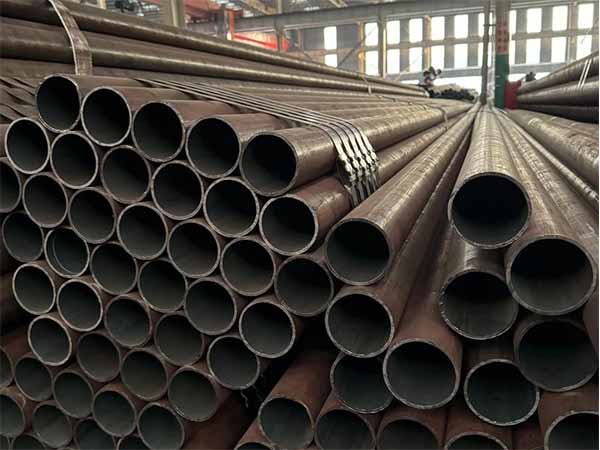
Unlike stainless steel, carbon steel usually contains very small amounts of alloying elements, such as chromium and nickel, making it generally more affordable.
Low carbon content generally results in better ductility and weldability, while high carbon content generally results in higher strength and hardness. This balance between cost and performance is one of the reasons why carbon steel is widely used in construction, piping, and manufacturing.
The Importance of Carbon Content in Carbon Steel
The carbon content in steel significantly affects its performance during manufacturing and use.
The main effects of carbon content include:
Strength: Higher carbon content results in higher tensile strength.
Hardness: The higher the hardness of steel, the better its wear resistance.
Dulcolability: Low-carbon steel is easier to form and bend.
Weldability: Low-carbon steel is easier to weld.
Machinability: Medium-carbon steel combines good machinability and strength.
Types of Carbon Steel
Carbon steel is mainly divided into three types: low-carbon steel, medium-carbon steel, and high-carbon steel.
1. Low-carbon steel (mild steel)
Low-carbon steel, commonly known as mild steel, has a carbon content of 0.05% to 0.25%.
Low-carbon steel typically possesses the following advantages:
Excellent weldability;
High ductility and formability;
Good machinability;
Lower cost.
Due to these characteristics, low-carbon steel is commonly used in structural steel components, steel pipes, building materials, automotive panels, and other engineering applications. In many industries, mild steel is considered the most widely used and economical steel.
2. Medium-carbon steel
Medium-carbon steel has a carbon content of approximately 0.25% to 0.60%. It combines strength and ductility, making it suitable for more demanding applications.
Key characteristics include: higher strength than low-carbon steel, better wear resistance, suitability for heat treatment, and moderate weldability. It can be used for machine parts, railway tracks, forged components, shafts and gears, and load-bearing structural parts. Medium-carbon steel is typically chosen when higher mechanical strength is required.
3. High-carbon steel
High-carbon steel typically contains 0.60% to 1.0% or more carbon. This steel is known for its hardness and wear resistance. It features high strength, excellent hardness, excellent wear resistance, poor ductility, and greater difficulty in welding.
Due to its high hardness, high-carbon steel is widely used in applications requiring durability and wear resistance, such as cutting tools, springs, blades, high-strength steel wire, and industrial tools.
Chemical Composition of Carbon Steel
While carbon is the primary element affecting the properties of carbon steel, other elements also play important roles.
Common elements include:
Carbon (C): The most important element affecting hardness and strength.
Manganese (Mn): Improves toughness and wear resistance.
Silicon (Si): Enhances strength and removes oxides from steel during production.
Phosphorus (P): Usually present in low amounts as it reduces ductility.
Sulfur (S): Improves machinability but must be controlled.
A balanced chemical composition ensures that carbon steel meets the required mechanical and structural properties.
Mechanical Properties of Carbon Steel
Strength: Carbon steel has high tensile and yield strength, making it suitable for structural and load-bearing applications.
Hardness: As carbon content increases, the hardness and wear resistance of the steel increase.
Ductility: Low-carbon steel has excellent ductility and can be machined into various shapes without cracking.
Weldability: Low-carbon steel is easier to weld and machine, which is crucial in the construction industry.
Machinability: Many carbon steels are easy to machine, making them suitable for manufacturing equipment and components.
These mechanical properties make carbon steel a preferred material for engineering and industrial manufacturing.
Common Applications of Carbon Steel
Due to its strength, durability, and cost-effectiveness, carbon steel is widely used in numerous industries. Its ability to be welded, formed, and machined into various shapes makes it one of the most versatile engineering materials in modern infrastructure and industrial production.
Building and Structural Engineering
One of the most important applications of carbon steel is in building and structural engineering. Due to its excellent load-bearing capacity and reliability, it is frequently used in structural beams, building frames, bridges, and reinforcement components. Carbon steel provides the required strength for large infrastructure projects while maintaining cost-effectiveness, making it a preferred material for contractors and engineers.
Oil and Gas Industry
Carbon steel also plays a crucial role in the oil and gas industry, particularly in pipeline transportation and energy infrastructure. It is widely used in pipelines, casing pipes, transmission systems, and refining equipment. Due to its compressive strength and mechanical properties, carbon steel ensures the safe and efficient transport of oil, natural gas, and other fluids over long distances.
Manufacturing and Machinery Production
In manufacturing, carbon steel is commonly used to manufacture machine frames, equipment components, industrial tools, and mechanical structures. Its excellent machinability and mechanical stability enable manufacturers to produce durable equipment that can operate in harsh industrial environments.
Automotive Industry
The automotive industry also uses carbon steel extensively in the production of vehicle frames, structural components, and suspension assemblies. Carbon steel helps improve vehicle safety and structural stability while controlling manufacturing costs, which is crucial for large-scale automobile production.
Energy and Infrastructure Projects
In large-scale energy and infrastructure projects, carbon steel is used in power plants, offshore platforms, industrial facilities, and transportation systems. Its reliable operation under various environmental conditions makes it suitable for long-term engineering projects requiring strength and durability.
Summary
Carbon steel is a fundamental engineering material widely used in construction, energy, manufacturing, and infrastructure projects. Its high strength, affordability, and versatility make it one of the most important materials in modern industry.
Read more : Classification and characteristics of mild steel black pipes
 Central Steel


 Language
 English
 Español
 بالعربية
 sales@central-steels.com
 0086-731-8865-5017