Both
mild steels and high-carbon steels belong to the
carbon steel family, but their properties differ significantly due to their varying carbon content. Carbon content directly affects the steel's hardness, strength, ductility, and machinability. Understanding the differences between mild and high-carbon steel is crucial for selecting materials for construction, manufacturing, and mechanical engineering.
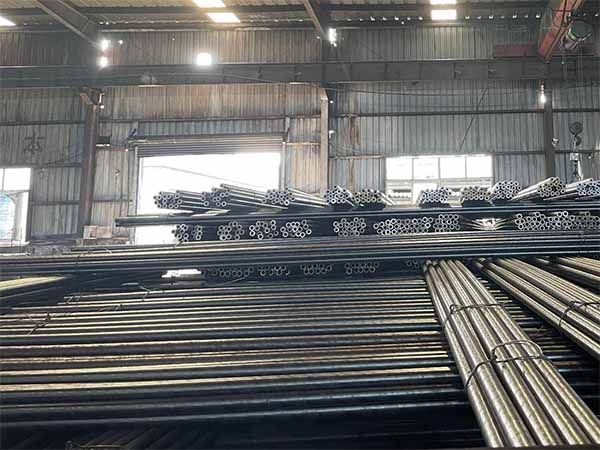
What is Mild Steel?
Mild steel, commonly referred to as low-carbon steel, contains approximately 0.05% to 0.25% carbon. This relatively low carbon content gives low-carbon steel excellent ductility, weldability, and machinability, making it the most widely used material in structural and industrial applications.
What is High-Carbon Steel?
High-carbon steel, as the name suggests, is carbon steel with a higher carbon content. High-carbon steel contains 0.6% to 1.0% carbon, significantly higher than low-carbon steel. The higher carbon content increases the steel's hardness, strength, and wear resistance, but also reduces its weldability and ductility.
Differences between High-Carbon Steel and Low-Carbon Steel
1. Material Strength: Among all carbon steels, low-carbon steel has the lowest strength. The strength of carbon steel mainly depends on its carbon content; the higher the carbon content, the higher the strength.
2. Ductility: Due to its lower carbon content, low-carbon steel typically has excellent ductility, making it easy to bend and weld. High-carbon steel, on the other hand, has lower ductility, is more brittle, and is prone to cracking.
3. Corrosion Resistance: Both low-carbon and high-carbon steel have poor corrosion resistance and are very prone to rusting and corrosion without special surface treatment.
4. Machinability: Excessively high carbon content usually affects the machinability of the steel. Low-carbon steel, with its lower carbon content, can be processed and manufactured in various ways. High-carbon steel, with its higher carbon content, is harder and requires more resources for processing, such as cutting and milling.
5. Manufacturing and Processing Differences: The processing methods for the two types of steel also differ significantly during production. Low-carbon steel is typically produced by refining and smelting raw materials in an blast furnace, using oxygen purging technology to reduce the carbon content to a low level, and finally casting the steel into slabs, billets, or coils, which are then hot-rolled into the desired shapes.
High-carbon steel requires heat treatment to improve its hardness and wear resistance, followed by quenching and tempering processes to further enhance its toughness.
6. Cost Comparison
Low-carbon steel is generally cheaper, mainly because its production process is simpler, easier to process, and suitable for large-scale production. High-carbon steel is more expensive, primarily because it requires complex heat treatment and is more complex to process.
How to Choose the Right Steel?
When choosing between low-carbon and high-carbon steel, consider the following factors: required strength and hardness, whether welding is required, the environment in which it will be used, wear resistance requirements, project budget, etc.
Frequently Asked Questions (FAQ)
Which is stronger, low-carbon steel or high-carbon steel?
High-carbon steel is stronger and harder, but low-carbon steel is more tough and easier to process.
Why does the construction industry primarily use low-carbon steel?
Because low-carbon steel offers good strength, ductility, and cost advantages.
Can high-carbon steel be welded?
Yes, but it's more difficult and usually requires special welding techniques.
What type of steel is generally used for tools?
High-carbon steel is typically used because of its high hardness and good wear resistance.
In summary
Both low-carbon and high-carbon steel play important roles in modern industry. Low-carbon steel offers good machinability and economy, while high-carbon steel provides higher strength and wear resistance. In practical engineering applications, the appropriate steel should be selected based on project requirements, processing methods, and cost factors to ensure project quality and long-term reliability.
Read more : Carbon steel vs mild steel
 Central Steel


 Language
 English
 Español
 بالعربية
 sales@central-steels.com
 0086-731-8865-5017