Mild steel cement lined pipe (MSCL) are the most commonly used pipes in the water supply industry due to their superior durability and cost-effectiveness. They combine the high mechanical strength of carbon steel with the excellent corrosion resistance of cement mortar, offering a service life of 50 to 100 years. This article mainly introduces the entire production process of
MSCL pipes from raw materials to finished products.
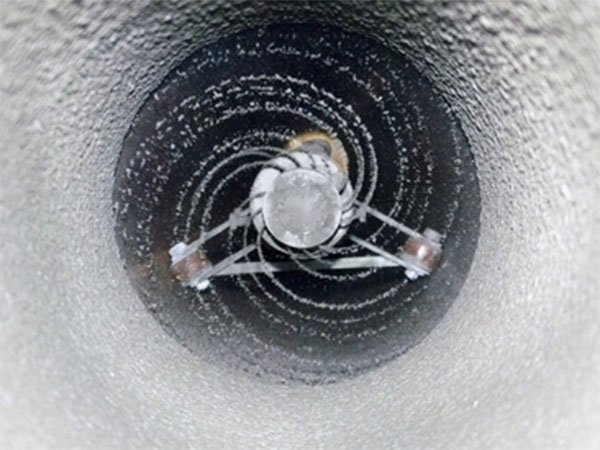
1. Main Pipe Manufacturing
The main pipe is the steel pipe that requires cement mortar coating. Main pipes are typically manufactured using high-quality low-carbon steel coils and plates, according to the required grades (e.g., ASTM A53, API 5L, or AS/NZS 1163).
Forming and Welding: Depending on the pipe diameter and pressure requirements, steel is typically formed into pipes using spiral submerged arc welding (SSAW), longitudinal submerged arc welding (LSAW), or resistance welding (ERW).
Before lining, each pipe undergoes hydrostatic testing and non-destructive testing (NDT) to ensure weld integrity and load-bearing capacity.
2. Internal Surface Treatment
To ensure a permanent bond between the cement mortar and the steel, the internal surface must be clean and flawless.
Shot Peening: The internal surface is cleaned using high-speed abrasive. This step removes scale, rust, and oil, achieving a cleanliness level of Sa 2.5 (ISO 8501-1 standard).
Anchoring Texture: This process creates a specific surface roughness, improving the adhesion of the cement mortar and preventing delamination during transportation or temperature fluctuations.
3. Centrifugal Lining Process
The construction of the cement mortar lining is the most technically challenging step, mainly including the following steps:
Mortar Mixing: Cement, quartz sand, and water are precisely mixed. The water-cement ratio is strictly controlled to minimize shrinkage and maximize density.
Centrifugal Rotation: The pipe is placed on a rotating machine. While the pipe rotates at high speed, a spray gun evenly sprays the mortar onto the pipe.
Compaction: Centrifugal force forces the mortar to adhere tightly to the inner wall of the pipe, removing excess air bubbles and moisture. This results in a dense lining with a smooth surface and good flowability.
4. Controlled Curing
Hydration: The pipes are sealed at the ends to maintain high humidity, allowing the cement to hydrate properly.
Steam curing: Steam is used to accelerate the curing process of the lining, ensuring the steel pipe reaches the required strength faster without affecting the integrity of the lining.
5. External Coating and End Treatment
External Protection: The steel pipe surface can be protected with a coating such as three-layer polyethylene (3LPE), solvent epoxy resin (FBE), or asphalt to prevent corrosion.
End Treatment: To facilitate welding, the pipe ends are usually chamfered. A specific "cut corner" is maintained at the end to prevent damage to the cement due to overheating during welding.
FAQ: Mild Steel Cement Lined Pipe Manufacturing
Q1: Why does cement lining crack during manufacturing?
A: Cracking is usually caused by improper water-cement ratio, insufficient curing, or rapid drying. Maintaining a proper water ratio and at least 7 days of curing is essential to prevent this issue.
Q2: What causes cement lining to detach from the steel pipe?
A: The main reason is poor surface preparation. If the internal surface is not properly cleaned (e.g., not reaching Sa2.5 standard) or has oil/rust, the lining will not bond effectively.
Q3: Why is lining thickness sometimes uneven?
A: Uneven thickness results typically from unstable centrifugal speed, inconsistent mortar mix, or improper operation during the lining process.
Q4: What leads to air pockets or voids in the lining?
A: Air pockets are caused by inadequate compaction, improper mixing, or trapped air during application, which can weaken the lining structure.
Why choose MSCL pipeline?
The production process of mild steel cement lined pipe produces a unique passivation effect. The alkalinity of the cement creates a high pH environment at the cross-section of the steel, preventing rusting even if moisture seeps into the mortar through chemical action.
Read more : Concrete coated steel pipe VS Cement lined steel pipe
 Central Steel


 Language
 English
 Español
 بالعربية
 sales@central-steels.com
 0086-731-8865-5017