 Central Steel
Central Steel
Central Steel
Central Steel
Central Steel
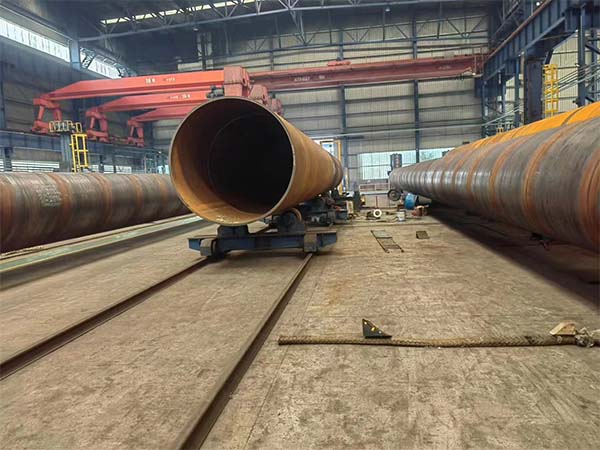
The following is a comparison of the specific mechanical properties of each grade:
|
Steel pipe pile grade |
Minimum yield strength |
Minimum tensile strength |
Common application scenarios |
|
Grade 1 |
30 ksi (205 MPa) |
50 ksi (345 MPa) |
Lightweight load-bearing foundations and temporary support structures |
|
Grade 2 |
35 ksi (240 MPa) |
60 ksi (415 MPa) |
medium-sized building foundations and retaining wall structures |
|
Grade 3 |
45 ksi (310 MPa) |
66 ksi (455 MPa) |
heavy-duty bridges, deep-water wharves, and deep foundations for high-rise buildings |
Chemical Composition Requirements
ASTM A252 has relatively simple and broad requirements for chemical composition, giving steel mills some flexibility in smelting and thus reducing manufacturing costs. The standard primarily limits the content of phosphorus:Maximum phosphorus content (P) ≤ 0.050%.
For other alloying elements, the standard does not impose mandatory stringent requirements; manufacturers can determine the specific requirements based on the process to achieve the desired mechanical properties.
Manufacturing & Tolerances
1. Permitted Manufacturing Processes
ASTM A252 permits a variety of pipe forming processes, commonly including:
Seamless
Electric Resistance Welding (ERW)
Longitudinal Submerged Arc Welding (LSAW)
Spiral Submerged Arc Welding (SSAW)
2. Strict Dimensional and Weight Tolerances
To ensure smooth connection and structural stability during piling construction, ASTM A252 specifies strict tolerance ranges:
Outside Diameter: Not exceeding +/- 1% of the nominal outside diameter.
Wall Thickness: The thickness at any point on the pipe wall must not be less than 12.5% of the nominal wall thickness.
Weight: The actual weight of a single steel pipe must not exceed +15% or -5% of the theoretical weight.
Frequently Asked Questions (FAQs about ASTM A252)
Q1: What is the difference between ASTM A252 and API 5L?
API 5L is a line pipe standard, primarily used for transporting oil and natural gas. It has extremely high requirements for sealing and internal defect detection (requiring hydrostatic testing). ASTM A252, on the other hand, is specifically for piling, belonging to structural pipe, focusing on mechanical strength, and typically does not require hydrostatic testing.
Q2: When purchasing ASTM A252 Grade 3 steel pipe piles, can spiral welded pipe (SSAW) be selected?
Yes. SSAW (spiral welded pipe) is a common choice for large-diameter steel pipe piles because it offers significant efficiency and cost advantages in producing large-diameter (e.g., 24 inches to over 100 inches) and long (e.g., 12 meters, 18 meters, or even longer) pipes, and fully complies with the A252 specification requirements.
Q3: What tests are required for A252 steel pipe piles before they leave the factory?
This mainly includes: tensile testing (to ensure yield and tensile strength meet standards), chemical composition analysis, non-destructive testing of welds (typically for high-requirement projects), and dimensional and visual inspection.
Conclusion
Selecting steel pipe piles that conform to ASTM A252 Specifications is the cornerstone of ensuring the safety and compliance of large-scale infrastructure projects. In actual procurement, clearly defining the required grade, outer diameter, wall thickness, and specific anti-corrosion coating requirements (such as 3PE or epoxy coal tar coating) can help you communicate with suppliers more efficiently and control the project budget.


 Language
 English
 Español
 بالعربية
 sales@central-steels.com
 0086-731-8865-5017