3LPE (Three-Layer Polyethylene) anti-corrosion coated carbon steel pipe is one of the most widely used and advanced external anti-corrosion technologies in global industrial pipeline systems. It combines the excellent adhesion of epoxy resin with the strong resistance to mechanical damage of polyethylene, and is mainly used for long-distance buried or subsea pipelines transporting oil, natural gas, water, and other fluids.
The following is a detailed technical analysis of
3LPE carbon steel anti-corrosion pipe, covering its structure, standards, advantages, and application scenarios:
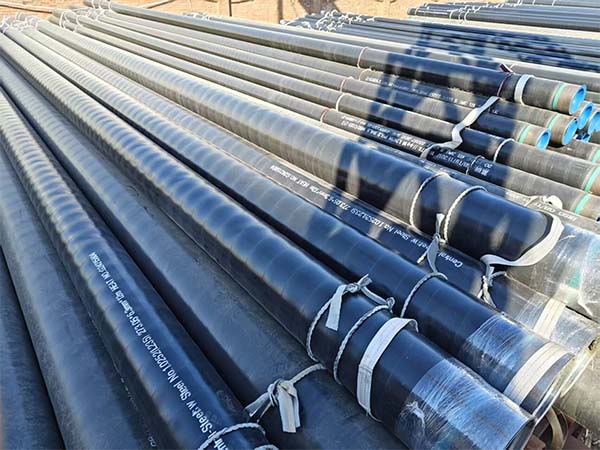
1. Analysis of the Three-Layer Structure of the 3LPE Coating
The core advantage of the 3LPE coating lies in its composite structure, with each layer performing a specific protective function:
First Layer: Fusion Bonded Epoxy Powder Layer (FBE) (typically 100-300 μm thick)
This is the primer layer that directly contacts the carbon steel surface after shot blasting. FBE possesses extremely strong chemical adhesion, providing excellent resistance to cathodic disbondment and serving as the first line of defense against electrochemical corrosion of steel pipes.
Second Layer: Copolymer Adhesive Layer (typically 170-250 μm thick)
This layer, primarily composed of graft copolymers, acts as a "bridge." It can chemically cross-link with the underlying FBE under heating and also fuses well with the outer polyethylene (PE) layer, ensuring the entire coating system does not delaminate.
Third Layer: High-Density/Medium-Density Polyethylene Outer Layer (HDPE/MDPE) (typically 1.5-3.0 mm thick)
The polyethylene outer shell provides excellent physical and mechanical protection. It has extremely low water vapor permeability and effectively resists physical impacts, friction, and abrasion from transportation, installation, and soil stress after burial.
2. Core Manufacturing and Implementation Standards
In international engineering and procurement, the production and inspection of 3LPE steel pipes must strictly adhere to specific international standards. Common core standards include:
DIN 30670: German standard, the most widely used and classic reference standard for 3LPE coatings globally, detailing coating thickness, impact resistance, peel strength, and other indicators.
ISO 21809-1: International Organization for Standardization (ISO) standard for external coatings of pipeline transportation systems in the oil and gas industry.
CAN/CSA Z245.21: Canadian standard, extremely common in pipeline engineering in North America.
GB/T 23257: Chinese national standard, for polyethylene anti-corrosion coatings on buried steel pipelines.
3. Overview of Production Process
High-quality 3LPE steel pipes are not simply coated; they require continuous extrusion coating on a large production line:
Steel pipe preheating and surface treatment: The steel pipe is heated by medium-frequency induction, followed by sandblasting/shot blasting to achieve Sa 2.5 grade and form a certain surface anchor pattern depth.
Electrostatic FBE Spraying: When the steel pipe is heated to approximately 200°C, FBE powder is evenly adhered to the pipe surface using electrostatic spraying and melted.
Wrapping/Extrusion Coating: Before the FBE is fully cured, the hot-melt adhesive and PE are sequentially wrapped or extruded around the steel pipe using a side extruder.
Water Cooling: After coating, the steel pipe is immediately placed in a cold water spray zone for rapid cooling and shaping.
4. Why Choose 3LPE? Four Advantages for Pipeline Engineering
Compared to traditional single-layer FBE (fusion-bonded epoxy powder) or asphalt anti-corrosion coatings, investing in 3LPE carbon steel pipes brings significant long-term returns to engineering projects:
Extra-Long Service Life: Under normal soil and environmental conditions, a high-quality 3LPE anti-corrosion system can extend the design service life of pipelines to over 50 years, significantly reducing maintenance and replacement costs throughout the entire life cycle.
Unparalleled resistance to mechanical damage: The thicker PE outer layer makes it less susceptible to scratches from sharp objects when traversing rocky terrain or complex geological conditions, ensuring the integrity of the underlying anti-corrosion layer.
Excellent waterproof and insulating properties: The extremely low water absorption rate of polyethylene combined with the insulating properties of FBE almost completely isolates the steel pipe body from moisture, oxygen, and corrosive soil media.
Wide operating temperature range: The standard 3LPE coating can operate stably in a temperature range of -40°C to +80°C, adapting to underground environments in most parts of the world.
Read more : FBE coating repair methods or What are the types of coated carbon steel pipes
 Central Steel


 Language
 English
 Español
 بالعربية
 sales@central-steels.com
 0086-731-8865-5017