Valves are commonly used pipe fittings in systems such as oil transportation, natural gas, water, and steam. The rated pressure of a valve is crucial for ensuring the normal operation of the system. This article will detail the rated pressure of valves and its role in engineering design.
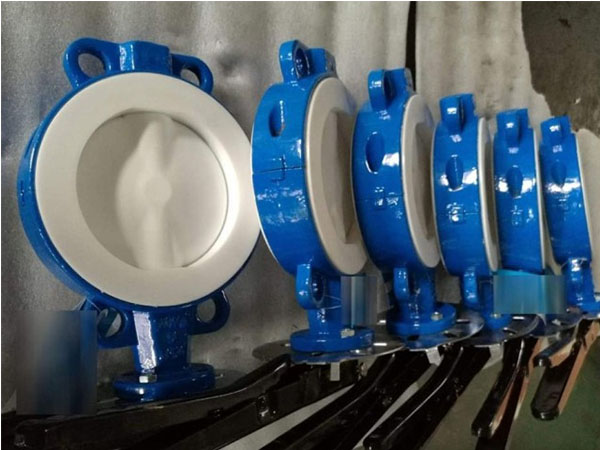
What is the rated pressure of a valve?
The rated pressure of a valve refers to the maximum working pressure it can withstand at a specific temperature. Similar to the wall thickness rating (SCH) of pipes, the rated pressure of a valve reflects the specific mechanical strength and sealing performance of its valve body material.
The pressure rating of valves is typically defined by the following international standards:
ASME B16.34 (Flanged, Threaded, and Welded Valves)
GB/T 12224 (General Requirements for Steel Valves)
API 6D (Line Valve Specification)
What determines the pressure rating of a valve?
The pressure carrying capacity of a valve is not a fixed value; it is a variable influenced by several engineering factors:
1. Operating Temperature
This is the most important factor. The strength of metallic materials decreases as temperature increases.
For example: A Class 150 carbon steel valve can withstand approximately 1.9 MPa of pressure at 38°C, but when the temperature rises to 400°C, its allowable pressure drops to approximately 0.65 MPa. This is the well-known P-T Rating (Pressure-Temperature Rating).
2. Material Grade
The chemical composition and heat treatment state of the valve body material (such as WCB carbon steel, CF8 stainless steel, LCB low-temperature steel) directly determine its basic allowable stress. High-performance alloy steels typically have higher pressure ratings than cast iron or standard carbon steel.
3. Valve Body Design and Wall Thickness
The valve geometry (such as ball valves, gate valves, globe valves) and valve body wall thickness determine its compressive strength. Design standards (such as ASME B16.34) specify the minimum wall thickness requirements for different pressure ratings.
4. Sealing Materials
The rated pressure of soft-seal valves (using PTFE, EPDM, etc.) is typically limited by the temperature resistance and compression resistance of the sealing material, while metal hard-seal valves can withstand higher pressures.
Valve Pressure Rating System
There are many pressure ratings and classifications for valves, but regardless of the type used, the valve selection should ensure that its pressure rating is higher than the system's pressure rating.
1. PN Pressure Classification
PN valves have a rated pressure based on the nominal permissible working pressure at 20°C (68°F). This is usually expressed in bar or MPa. Common rated pressures include PN10, PN16, PN25, and PN40, with PN10 having a rated pressure of 10 bar.
2. Class System
Class is a US standard. The class value indicates the valve's rated pressure, expressed in pounds per square inch (psi). For example, class 150 indicates a valve's rated working pressure of 150 psi.
The Core Role of Rated Pressure in the Design Process
1. Ensuring Overall System Safety
Valves are often the "weak point" or "control point" in a piping system. Therefore, the rated pressure of a valve is higher than the system's maximum instantaneous pressure (including water hammer pressure) to prevent valve body cracking or seal bursting.
2. Matching Piping Standards
The pressure rating of a valve must match the connected piping system. For example, if your piping is Schedule 40 carbon steel pipe, when selecting a valve, you must check the maximum permissible pressure of the pipe for that diameter to ensure that the selected valve class (e.g., Class 300) is not lower than the pipe's rated pressure.
Frequently Asked Questions (FAQ) about Valve Selection
Q: What does PN16 on a valve mean?
A: PN represents nominal pressure, and 16 represents a design pressure of 16 bar (approximately 1.6 MPa) at a reference temperature (typically 20°C).
Q: Can a Class 150 valve be used in a 2.0 MPa system?
A: At room temperature (<38°C), the maximum working pressure of a carbon steel Class 150 valve is approximately 1.96 MPa, which is very close. It is recommended to consult the specific material P-T table or select Class 300 for a higher safety margin.
Q: Why do large-diameter valves appear to have lower rated pressures?
A: This is similar to piping. With the same wall thickness, the larger the diameter, the greater the circumferential stress on the pipe wall. Therefore, large-diameter, high-pressure valves require extremely robust valve body designs.
Summary
The rated pressure of a valve is not only an indication on the valve body but also a cornerstone of the safe design of fluid systems. When selecting valves, temperature, material, connection method (such as flange class), and relevant international standards (ASME/API/GB) must be comprehensively considered.
 Central Steel


 Language
 English
 Español
 بالعربية
 sales@central-steels.com
 0086-731-8865-5017