When selecting
carbon steel plates for structural or pressure-bearing applications, two standards often come into play:
ASTM A36 and ASME SA36. Although they appear very similar and are sometimes even interchangeable, they differ significantly in regulatory bodies, application scope, testing requirements, and certification standards. Understanding these differences helps clients choose the right materials to ensure project safety and compliance.
What is ASTM A36?
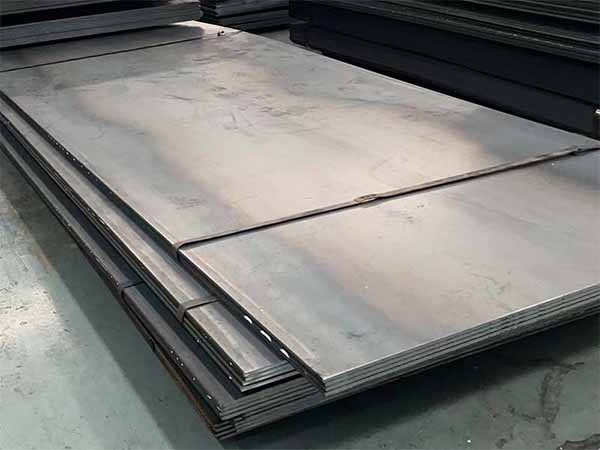
ASTM A36 is a carbon structural steel standard published by the American Society for Testing and Materials (ASTM). It defines a low-carbon steel with good weldability, formability, and moderate strength. It is widely used in building structures, bridges, general construction, machine parts, steel profiles, and steel plates. Due to its versatility and cost-effectiveness, ASTM A36 is one of the most widely supplied materials in the global steel market.
Key properties of ASTM A36: Tensile strength: 400–550 MPa; Yield strength: ≥ 250 MPa; good weldability; commonly used in general construction projects.
What is ASME SA36?
ASME SA36 is the American Society of Mechanical Engineers' (ASME) version of the ASTM A36 standard. SA36 is incorporated into the ASME Boiler and Pressure Vessel Code (BPVC), which governs materials used in pressure vessel and boiler applications.
In other words, 36 is essentially "Pressure Vessel Class A36," meeting additional quality, certification, and testing requirements. It is commonly used for ASME-compliant components such as support frames in various pressure vessels, boilers, and pressure systems.
Key Differences Between ASTM A36 and ASME SA36
Although ASTM A36 and ASME SA36 have the same chemical composition and mechanical properties, there are significant differences in requirements and certification.
Applicable Standards:
|
Standard
|
Organization
|
Focus
|
|
ASTM A36
|
ASTM International
|
Structural and general fabrication
|
|
ASME SA36
|
ASME (BPVC)
|
Boiler and pressure vessel applications
|
ASTM focuses on material properties and testing, while ASME regulates safety in pressure-related environments. The difference between A and SA relates to the ASME Boiler and Pressure Vessel Code's approval of materials. Only materials approved by ASME Boiler and Pressure Vessel Code can be used in pressure vessel and boiler applications.
Are ASTM A36 and ASME SA36 Used Interchangeably?
Yes, but only if permitted by project specifications.
In structural applications → ASTM A36 is perfectly acceptable.
In pressure vessel or boiler applications → SA36 must be used because it is ASME certified.
Although technically the two materials are identical, specification requirements necessitate the use of SA36 in pressure-related systems.
Conclusion
While ASTM A36 and ASME SA36 have nearly identical chemical compositions and mechanical properties, the main differences lie in their certification and intended use. A36 is suitable for general structural requirements, while SA36 conforms to ASME BPVC standards and is an essential material for pressure systems.
 Central Steel


 Language
 English
 Español
 بالعربية
 sales@central-steels.com
 0086-731-8865-5017