To cope with harsh underground soil and fluid environments, anti-corrosion spiral steel pipe has become the preferred choice for modern large-scale pipeline systems. This article will provide an in-depth analysis of the core concepts of anti-corrosion
spiral steel pipe, the key factors determining its corrosion resistance lifespan, common coating technical parameters, and how to choose the most suitable anti-corrosion solution for your project.
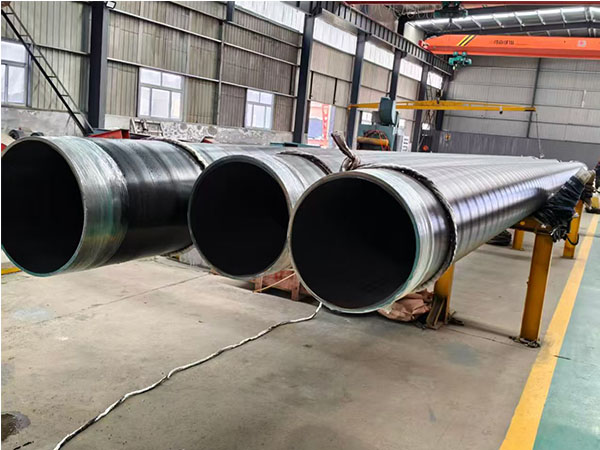
What is Anti-corrosion Spiral Steel Pipe?
Anti-corrosion spiral steel pipe (SSAW/SAW pipe) is not a single type of steel, but a combination of a base material and a protective system.
Its base material is spiral submerged arc welded steel pipe (SSAW), which has advantages such as large diameter, strong pressure resistance, and relatively low production cost. One or more layers of high-polymer anti-corrosion material are coated on its inner or outer wall (or both sides) through specific physical or chemical processes, thereby completely isolating the steel from contact with oxygen, moisture, and acidic or alkaline media.
This composite structure retains the mechanical strength of the spiral steel pipe while giving it a corrosion-resistant lifespan of 30 to 50 years.
Four Core Factors Determining the Performance of Anti-corrosion Spiral Steel Pipes
The service life and protection level of anti-corrosion spiral steel pipes are not fixed; they mainly depend on the following four key engineering variables:
1. Coating Type
This is the most crucial factor. Different coating materials provide different physical and chemical barriers. Currently, mainstream anti-corrosion coatings include:
3PE (Triple-Layer Polyethylene): Combining the strong adhesion of epoxy powder with the excellent mechanical resistance of polyethylene, it is a top-tier anti-corrosion solution for buried pipelines.
FBE (Fusion-Bonded Epoxy Powder): Possesses excellent chemical corrosion resistance and cathodic disbondment resistance.
Coal Tar Epoxy: A traditional and economical anti-corrosion method, commonly used in sewage treatment and general underground pipelines.
2. Surface Preparation
"Three parts coating, seven parts shot blasting." The firm adhesion of the anti-corrosion layer depends on the quality of rust removal from the steel pipe surface. International standards typically require steel pipes to undergo shot blasting/sandblasting before coating to achieve a Sa 2.5 grade (near-white) standard, and to control appropriate surface roughness (anchor pattern); otherwise, even the best coating will blister and peel off.
3. Operating Environment
The pH value, microbial corrosivity, stray currents of the external soil, and the temperature and chemical properties of the medium transported inside the pipe directly determine the degradation rate of the anti-corrosion coating. For example, high-salinity areas require anti-corrosion materials with lower polarization potentials.
4. Base Steel Grade
The integrity of the anti-corrosion coating also depends on the quality of the steel pipe base. Using high-quality pipeline steel that meets standards such as API 5L or ASTM A53, with high surface smoothness and well-controlled weld reinforcement, effectively prevents thinning or leaks in the anti-corrosion coating at the weld joints.
Anti-corrosion Spiral Steel Pipe vs. Bare Pipe vs. Galvanized Pipe
Comparison Items: Bare Spiral Steel Pipe (Bare SSAW) Galvanized Steel Pipe (Galvanized Pipe) Anti-corrosion Spiral Steel Pipe (Anti-corrosion SSAW) Initial Purchase Cost: Lowest Medium Highest Corrosion Resistance: Extremely Poor (Easily rusts through when buried) Average (Zinc layer wears away over time) Extremely Strong (High-polymer physical isolation) Maintenance and Replacement Cost: Extremely High (Requires frequent replacement and repair) Relatively High Extremely Low (Almost maintenance-free) Overall Return on Investment: Acceptable in the short term, unprofitable in the long term. Best choice for short- to medium-term, small-diameter pipelines, and long-term large-scale projects.
Frequently Asked Questions (FAQ)
Q: Can 3PE anti-corrosion spiral steel pipe be used directly for drinking water transportation?
No. 3PE is usually used for the outer wall corrosion protection of pipelines to resist soil corrosion. If it is a drinking water pipeline, its inner wall must be coated with a coating that meets food-grade hygiene standards (such as IPN8710 non-toxic coating or cement mortar lining that meets drinking water standards).
Q: What if the anti-corrosion layer is damaged during transportation and hoisting?
Nylon slings must be used when loading and unloading anti-corrosion steel pipes; direct binding with steel wire ropes is strictly prohibited. If coating damage is found, it must be repaired on-site using specialized cold-applied tape or radiation cross-linked heat shrink sleeves before trenching and backfilling (Field Joint Coating). Otherwise, the damaged point will become a breakthrough for electrochemical corrosion.
Q: Why do some anti-corrosion coatings experience "cathode detachment"?
Catheter detachment is usually caused by incomplete rust removal from the steel pipe surface (failing to reach Sa2.5 grade) or improper heating temperature control during coating. Choosing a manufacturer with a complete quality control system and advanced coating production line is key to avoiding this problem.
Summary
Anti-corrosion spiral steel pipe is a technology that perfectly combines materials science and heavy engineering. By selecting appropriate coatings (such as 3PE, FBE) and strictly controlling production standards, the lifespan of steel pipes can be extended from a few years to half a century.
 Central Steel


 Language
 English
 Español
 بالعربية
 sales@central-steels.com
 0086-731-8865-5017