 Central Steel
Central Steel
Central Steel
Central Steel
Central Steel
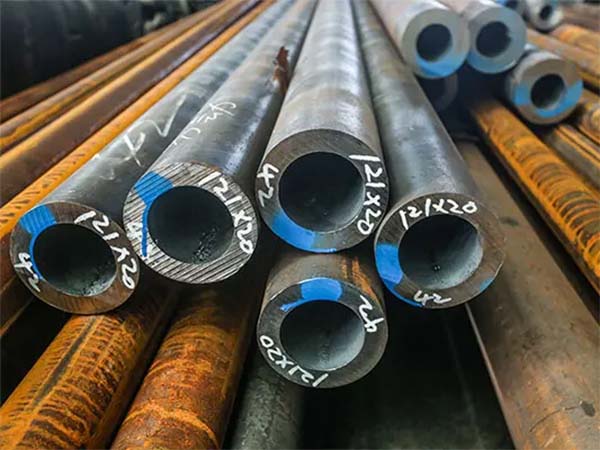
Seamless steel pipes are widely used in engineering and manufacturing because they offer high structural integrity, reliable pressure performance, and good resistance to mechanical and thermal loads. They are commonly used for oil and gas transportation, boilers and heat exchangers, hydraulic systems, mechanical equipment, automotive components, structural applications, and high-temperature or high-pressure service. The appropriate seamless pipe material, specification, and manufacturing standard depend on the operating pressure, temperature, fluid, mechanical load, corrosion conditions, and required service life.
|
Application |
Typical uses |
Why seamless pipe is selected |
Key considerations |
|
Oil and gas |
Process piping, fluid transportation, oilfield equipment, and pipeline systems |
Reliable mechanical and pressure performance for applications covered by the applicable specification |
Pressure, temperature, fluid composition, corrosion, API/ASTM requirements |
|
Power generation |
Boiler tubes, superheaters, reheaters, steam piping, and heat-transfer systems |
Suitable material grades are available for elevated-temperature and pressure service |
Operating temperature, pressure, creep resistance, heat treatment, ASME/ASTM requirements |
|
Petrochemical and chemical |
Process piping, steam systems, hydrocarbon service, heat-transfer equipment, and chemical process systems |
Wide selection of carbon, alloy, and stainless steel grades for different service environments |
Corrosion, temperature, pressure, fluid chemistry, material compatibility |
|
Hydraulic systems |
Hydraulic cylinders, high-pressure hydraulic lines, and hydraulic equipment |
Cold-drawn seamless tubes can provide controlled dimensions, surface finish, and mechanical properties |
Working pressure, bore size, dimensional tolerance, surface finish, sealing requirements |
|
Mechanical manufacturing |
Shafts, rollers, sleeves, couplings, and machined components |
Suitable grades provide strength, toughness, machinability, and dimensional control |
Material grade, heat treatment, machining allowance, mechanical loads |
|
Automotive |
Axles, drive components, shock absorber components, and hydraulic or fuel-related parts |
Good strength and fatigue performance can be achieved with appropriate grades and processing |
Fatigue loading, dimensional accuracy, weight, heat treatment |
|
Construction and structural engineering |
Structural tubular components, load-bearing members, and selected foundation applications |
High strength and stiffness can be beneficial for specific structural designs |
Design loads, wall thickness, connection method, applicable structural standard |
|
Heat exchangers |
Heat-transfer tubes, condenser tubes, and industrial heat-exchange equipment |
Seamless tubes are available in grades designed for pressure, temperature, and heat-transfer service |
Heat-transfer requirements, corrosion, temperature, pressure, tube dimensions |
|
Mining and heavy equipment |
Hydraulic cylinders, load-bearing components, and machinery parts |
Suitable seamless tubes can provide strength and durability under demanding mechanical loads |
Impact, wear, fatigue, hydraulic pressure, operating environment |
|
General industrial equipment |
Pressure-containing components, machinery, process equipment, and piping systems |
Broad material and dimensional options allow seamless pipes to be matched to different engineering requirements |
Applicable standard, operating conditions, dimensions, inspection and testing |
What are seamless steel pipes mainly used for?
Seamless steel pipes are mainly used for pressure-containing, mechanical, hydraulic, high-temperature, and structural applications. Common uses include oil and gas systems, boilers, petrochemical equipment, hydraulic cylinders, automotive components, heat exchangers, and mechanical equipment.
Why are seamless steel pipes used for high-pressure applications?
Seamless pipes do not have a longitudinal welded seam and can provide reliable mechanical and pressure performance when manufactured and specified correctly. However, pressure capability also depends on material grade, wall thickness, diameter, temperature, design code, and manufacturing quality.
Are seamless steel pipes better than welded pipes?
Not universally. Seamless pipes are advantageous for certain high-pressure, high-temperature, hydraulic, and mechanical applications, while welded pipes can offer cost and size advantages and are widely used in pipelines, structural applications, and many pressure services. The correct choice depends on the project requirements.
What industries use seamless steel pipes?
Major industries include oil and gas, power generation, petrochemical, chemical processing, construction, automotive, machinery manufacturing, mining, hydraulic equipment, and industrial equipment manufacturing.


 Language
 English
 Español
 بالعربية
 sales@central-steels.com
 0086-731-8865-5017