In large-scale foundation engineering, bridge, and port projects,
steel pipe piles are one of the most common load-bearing components. As a crucial part of procurement decisions, understanding the price structure, influencing factors, and procurement process of steel pipe piles can not only improve budget accuracy but also help project owners reduce risks and increase project efficiency. This article will provide a professional analysis from the perspectives of market conditions, price influencing factors, key procurement points, and supplier evaluation.
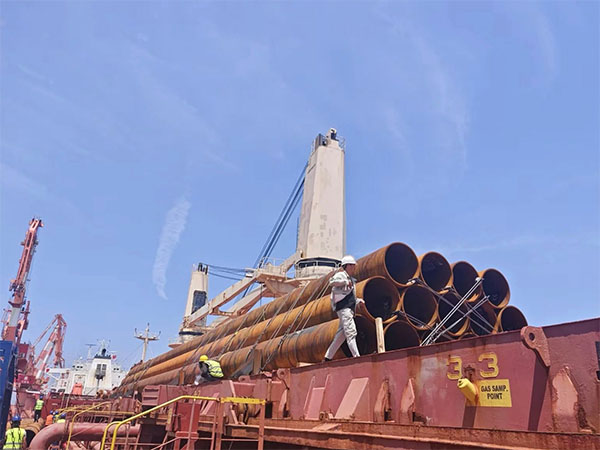
I. Steel Pipe Pile Market Price Reference
The market price of steel pipe piles is not fixed but fluctuates with multiple factors such as specifications, steel market conditions, and regional differences. Taking the domestic market as an example, the approximate price range per meter for pipe piles of different diameters and wall thicknesses is as follows (2025-2026 market conditions):
Φ300×70 pipe piles: approximately $8.6–$12.9
Φ400×95 pipe piles: approximately $12.9–$18.0
Φ500×125 pipe piles: approximately $21.6–$26.6
Φ600×110–130 pipe piles: approximately $32.4–$35.2 (slight variations depending on region)
This per-meter pricing data can serve as a preliminary reference, but specific quotes should be confirmed by inquiring about and verifying the actual specifications, steel grade, standards, and corrosion protection requirements.
In the international market, steel pipe piles are generally priced by the ton, with significant price differences depending on the diameter and manufacturing standards. For example, some international suppliers quote approximately USD 500–1,150 per ton for medium/large steel pipe piles (depending on material, coating, and supplier).
II. Key Factors Affecting Steel Pipe Pile Prices
Understanding the price structure is crucial during the procurement stage. Common key influencing factors include:
1. Steel Raw Material Prices
Steel pipe piles are primarily made from rolled steel plates or strips; therefore, fluctuations in steel market prices directly impact manufacturing costs. Steel prices are significantly affected by international raw material markets, supply and demand conditions, and geopolitical factors. It is essential to monitor raw material market conditions before submitting order quotes.
2. Specifications (Diameter, Wall Thickness, Length)
The outer diameter, wall thickness, and length of steel pipe piles are the most direct factors determining price. Larger diameters and wall thicknesses increase unit weight and corresponding costs. Large-diameter, thick-walled steel pipe piles often require dedicated production lines and specialized equipment, resulting in higher prices.
3. Material and Standard Grades
Common steel pipe pile materials include
ASTM A252 (Grade 1/2/3), Q355, and EN standard steel. Different steel grades and standards have different requirements for mechanical properties; higher-grade materials are generally more expensive. Furthermore, rigorous testing (such as UT/RT) and third-party certifications also increase costs.
4. Manufacturing Process
The welding method used for steel pipe piles (such as spiral submerged arc welding (SSAW), straight seam submerged arc welding (LSAW), welded pipe ERW, etc.) affects the price. Large-diameter piles typically use SSAW or LSAW processes, which have higher manufacturing costs than ordinary welded pipes.
5. Corrosion Protection and Coating Requirements
In marine, port, and corrosive environments, steel pipe piles usually require additional corrosion protection treatments, such as hot-dip galvanizing, epoxy coal tar coating, or three-layer polyethylene (3PE/3LPE). Higher-level corrosion protection significantly improves durability but also increases the product price.
6. Transportation and Logistics Costs
Steel pipe piles are ultra-long and ultra-heavy products. Long-distance transportation and special handling often require higher logistics costs; therefore, the quotation should clearly state whether transportation costs and delivery methods are included.
III. Technical Parameter Confirmation Checklist Before Steel Pipe Pile Procurement
To obtain an accurate quote and reduce the risk of changes, the following technical parameters should be clarified in advance during the inquiry process:
Project Specifications (Outer Diameter, Wall Thickness, Length Range)
Materials and Applicable Standards (e.g., ASTM A252 Grade 2/3 or other standards)
Corrosion Resistance (e.g., whether anti-corrosion coating/hot-dip galvanizing is required)
Testing Requirements (e.g., UT/RT, third-party inspection)
Packaging and Transportation Methods
Delivery Batch and Delivery Schedule
Clarifying these parameters helps suppliers provide accurate quotes and also facilitates the comparison of different quotes by the purchaser.
IV. Key Points for Selecting a Reliable Steel Pipe Pile Supplier
Supplier selection is equally crucial in the steel pipe pile procurement process. The following are important indicators for evaluating suppliers:
Production Capacity and Equipment
High-quality suppliers typically possess large-scale steel pipe production lines (capable of producing large-diameter, thick-walled steel pipe piles) and comprehensive quality testing equipment (including ultrasonic testing, magnetic particle testing, etc.).
Quality Management System
Suppliers should be selected who are certified to ISO 9001 or similar standards and have a complete quality inspection process to ensure traceability and controllability of products from raw materials to finished products.
Project Experience and Technical Support
Suppliers with extensive experience in pile foundation engineering projects can provide better technical solutions and specification advice, and have mature solutions for special working conditions.
Delivery Capability and After-Sales Service
Suppliers should have stable supply capabilities and make clear commitments regarding delivery time, delay risks, and after-sales service to prevent delays during the construction phase.
V. Procurement Risk Identification and Mitigation
In the procurement and contract signing of steel pipe piles, the following common risks should be noted:
Low Price Trap: Prices below the normal market level may indicate risks such as material downgrading or incomplete testing.
Specification Misunderstanding: Lack of clear technical documents can easily lead to inconsistencies between actual production and design requirements.
Lack of Quality Inspection Data: Failure to require complete MTC and test reports will affect later acceptance and quality accountability.
Unclear Delivery Date: For products with extended lead times, the contract should clearly specify the delivery date and compensation clauses for delays.
Summary and Recommendations
The procurement of steel pipe piles involves not only price comparison but also several key aspects such as specification confirmation, quality control, and supplier evaluation. It is recommended that the procuring party prepare a request for quotation in advance based on engineering specifications and project standards (such as ASTM A252), and maintain thorough communication with suppliers to obtain reasonable quotations that meet the requirements. During the budgeting stage, paying attention to steel market conditions and logistics costs will help control the total project cost and improve procurement efficiency.
Read more : Difference between pipe pile and sheet pile? or Steel grades for piling pipe
 Central Steel


 Language
 English
 Español
 بالعربية
 sales@central-steels.com
 0086-731-8865-5017