Stainless steel seamless pipe and
seamless carbon steel pipe are two commonly used materials in industry. Although both are manufactured using a seamless process and possess strong pressure resistance, their performance and applications differ significantly. The following will detail the differences between the two.
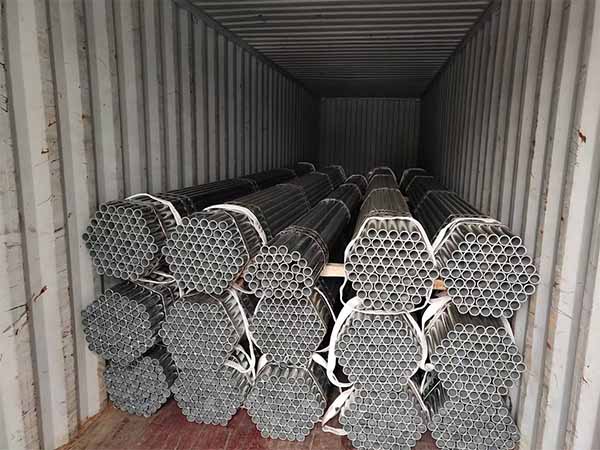
Stainless Seamless Steel Pipe vs Seamless Carbon Steel Pipe
|
Comparison
|
Stainless Seamless Steel Pipe
|
Seamless Carbon Steel Pipe
|
|
Main Material
|
Stainless steel containing chromium and other alloying elements
|
Carbon steel, primarily iron and carbon
|
|
Common Grades
|
304/304L, 316/316L, 321, 347, duplex stainless steel
|
ASTM A106, ASTM A53, API 5L grades
|
|
Corrosion Resistance
|
Excellent; varies by grade and service environment
|
Lower; often requires corrosion protection
|
|
Strength
|
High, depending on grade and heat treatment
|
High strength and good toughness
|
|
Pressure Performance
|
Excellent when properly specified
|
Excellent when properly specified
|
|
Temperature Performance
|
Good to excellent, depending on grade and service conditions
|
Good to excellent for suitable high-temperature grades
|
|
Machinability
|
Generally more difficult to machine
|
Generally easier to machine
|
|
Weldability
|
Requires grade-specific welding procedures
|
Generally easier to weld, depending on grade
|
|
Initial Cost
|
Higher
|
Lower
|
|
Maintenance
|
Usually lower in corrosive service
|
May require coating, lining, or regular corrosion protection
|
|
Typical Applications
|
Chemical processing, marine, food, pharmaceutical, water treatment
|
Oil and gas, power plants, steam, structural and general industrial piping
|
|
Best Suited For
|
Corrosive, humid, marine, chemical, or hygienic environments
|
Cost-sensitive general industrial and pressure applications
|
What is a Stainless Steel Seamless Pipe?
Stainless steel seamless pipe is made by heating and piercing stainless steel billets to form a hollow tube without welded joints. Due to its alloy composition (primarily chromium, sometimes also containing nickel), this type of pipe has excellent corrosion resistance.
Common steel grades include 304, 316, and duplex stainless steel, each designed for different operating environments. Stainless steel seamless pipe is widely used in industries requiring extremely high corrosion resistance and cleanliness, such as chemical plants, marine engineering, food processing systems, and pharmaceutical piping. Its excellent rust and chemical corrosion resistance makes it suitable for harsh environments and long-term use.
What is a Seamless Carbon Steel Pipe?
Seamless carbon steel pipes are made from carbon steel billets through processes such as heating, piercing, and rolling to form a seamless tube. This manufacturing method ensures the high strength and uniform structure of the steel pipe.
Common grades include ASTM A106, ASTM A53, and API 5L, widely used in oil and gas transportation, structural engineering, and power plants. Carbon steel pipes are known for their high mechanical strength, good machinability, and cost-effectiveness. Because their price is generally lower than stainless steel pipes, they are widely used in large-scale infrastructure and industrial piping systems.
Main Differences Between Stainless Steel Seamless Pipes and Carbon Steel Seamless Pipes
1. Chemical Composition
The main difference lies in their material composition. Stainless steel contains chromium and other alloying elements that form a protective layer against corrosion. Carbon steel is mainly composed of iron and carbon, offering high strength but naturally lower corrosion resistance.
2. Corrosion Resistance
Stainless steel seamless pipes have superior corrosion resistance. They perform well in marine environments, chemical plants, and humid environments. In contrast, seamless carbon steel pipes typically require protective coatings or galvanizing to prevent rusting.
3. Strength and Performance
Both types of pipes can withstand high pressure, but carbon steel pipes are typically used in heavy-duty applications such as oil pipelines and structural systems. Stainless steel pipes are more commonly used in applications requiring extremely high corrosion resistance and durability.
4. Cost Differences
Cost is another important factor. Due to alloy composition and manufacturing processes, the initial cost of stainless steel pipes is generally higher. Carbon steel pipes are more economical and therefore more suitable for projects requiring large volumes of piping.
5. Application Comparison
Different industries select piping materials based on operating conditions.
In the oil and gas industry, seamless carbon steel pipes are widely used for pipeline transportation due to their high strength and affordability. In the chemical and shipbuilding industries, seamless stainless steel pipes are favored for their excellent corrosion resistance. Meanwhile, the food and pharmaceutical industries also heavily rely on stainless steel piping because it meets hygiene and safety requirements.
Advantages and Limitations
Seamless stainless steel pipes offer advantages such as excellent corrosion resistance, long service life, and low maintenance requirements. However, their higher cost means that not all projects require stainless steel piping.
On the other hand, seamless carbon steel pipes offer high strength and low material cost. They are ideal for large infrastructure projects, but may require protective coatings and maintenance in corrosive environments.
How to Choose the Right Piping
The choice between seamless stainless steel pipe and seamless carbon steel pipe depends on several factors. First, the operating environment should be considered—corrosive environments typically require stainless steel pipe. Second, the project budget also plays a significant role, especially in large piping systems. Finally, engineers must assess pressure, temperature, and service life requirements according to design standards published by organizations such as ASME.
FAQ About Stainless Seamless Steel Pipe vs Seamless Carbon Steel Pipe
1. Is stainless seamless pipe better than carbon steel seamless pipe?
Not always. Stainless seamless pipe is generally better for corrosive, humid, marine, chemical, or hygienic environments, while carbon steel seamless pipe is often more economical for general industrial, oil and gas, structural, and high-temperature applications.
2. Which is more corrosion resistant, stainless steel or carbon steel?
Stainless steel is generally much more corrosion resistant because its chromium content allows a passive protective surface layer to form. Carbon steel is more susceptible to rust and often requires coatings, linings, or other corrosion protection.
3. Is stainless steel seamless pipe stronger than carbon steel pipe?
Not necessarily. Strength depends on the specific grade, heat treatment, dimensions, and operating temperature. Some stainless grades have excellent strength, while carbon steel grades can also provide very high mechanical strength.
Conclusion
Both seamless stainless steel pipe and seamless carbon steel pipe are indispensable materials in modern industry. Stainless steel pipe is suitable for environments with extremely high requirements for corrosion resistance and hygiene, while carbon steel pipe offers superior performance and cost-effectiveness for large-scale applications.
Read more : What are the Pressure Testing Methods for Seamless Carbon Steel Pipes
 Central Steel


 Language
 English
 Español
 بالعربية
 sales@central-steels.com
 0086-731-8865-5017