 Central Steel
Central Steel
Central Steel
Central Steel
Central Steel
Stainless seamless steel pipes are classified mainly by metallurgical structure, manufacturing process, application, and applicable standards. The most common material groups are austenitic, ferritic, martensitic, and duplex stainless steels, while seamless pipes can also be classified as hot-finished or cold-finished products. Because they have no longitudinal weld seam and can combine corrosion resistance, strength, and dimensional reliability, stainless seamless pipes are widely used in chemical processing, oil and gas, power generation, heat exchangers, food processing, pharmaceutical systems, and other demanding applications.
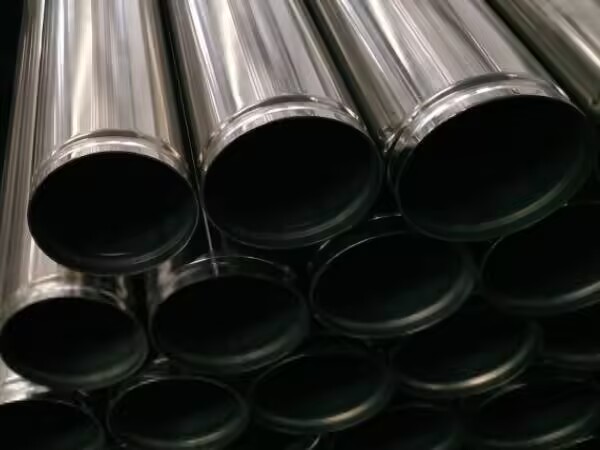
Stainless seamless steel pipes can be classified in several ways. For engineering selection, classification by metallurgical structure and material grade is usually the most useful because the stainless steel family directly determines corrosion resistance, strength, temperature capability, and fabrication characteristics.
|
Stainless steel type |
Common grades |
Key characteristics |
Typical applications |
|
Austenitic stainless steel |
304/304L, 316/316L, 321/321H, 347/347H |
Excellent corrosion resistance, good formability and weldability; generally non-magnetic in the annealed condition |
Chemical processing, food and beverage, pharmaceutical, heat exchangers, process piping |
|
Ferritic stainless steel |
409, 430 |
Good oxidation and corrosion resistance, relatively low nickel content, good resistance to stress corrosion cracking |
Automotive exhaust systems, industrial equipment, architectural applications |
|
Martensitic stainless steel |
410, 420 |
High strength and hardness; can be hardened by heat treatment |
Valves, shafts, mechanical components, wear-resistant parts |
|
Duplex stainless steel |
2205, 2507 |
Combination of austenitic and ferritic structures; high strength and excellent resistance to chloride-induced corrosion and stress corrosion cracking |
Oil and gas, offshore platforms, marine systems, chemical processing, desalination |
|
Super-austenitic stainless steel |
904L and selected high-alloy grades |
Very high corrosion resistance, particularly in aggressive chemical environments |
Chemical processing, acid service, pollution-control equipment |
Stainless seamless pipes are also selected according to the service environment.
|
Application |
Recommended characteristics |
Common stainless steel grades |
Typical standards / requirements |
|
Chemical processing |
High corrosion resistance and reliable pressure containment |
304L, 316L, 904L, 2205 |
ASTM A312, ASTM A790; project-specific chemical compatibility requirements |
|
Oil and gas |
Corrosion resistance, mechanical strength and pressure capability |
316L, 2205, 2507 and other project-specific grades |
ASTM A312, ASTM A790; API and project specifications where applicable |
|
Power generation |
High-temperature strength, oxidation resistance and long-term stability |
321H, 347H and other high-temperature grades |
ASTM A376 and applicable project specifications |
|
Heat exchangers |
Corrosion resistance, heat-transfer performance and dimensional control |
304/304L, 316/316L, 321 and other specified grades |
ASTM product specifications and applicable heat-exchanger requirements |
|
Food and beverage |
Corrosion resistance, cleanability and suitable surface finish |
304/304L, 316/316L |
Applicable ASTM/ASME and sanitary requirements |
|
Pharmaceutical |
High cleanliness, corrosion resistance and controlled surface finish |
316L, 304L |
Project-specific sanitary, surface-finish and cleaning requirements |
|
Marine and offshore |
Strong resistance to chloride-containing environments and stress corrosion cracking |
316L, 2205, 2507 |
ASTM A790 and project-specific offshore requirements |
|
Water treatment and desalination |
Resistance to chloride exposure, corrosion and long-term aqueous service |
316L, 2205, 2507 |
ASTM A312, ASTM A790 and project-specific requirements |
|
Mechanical equipment |
High strength, hardness and wear resistance where required |
410, 420 and other martensitic grades |
Applicable ASTM material specifications and equipment requirements |
What is a stainless seamless steel pipe?
A stainless seamless steel pipe is a stainless steel pipe manufactured without a longitudinal welded seam. It is generally produced from a solid billet through piercing and subsequent hot or cold processing.
What are the main types of stainless seamless steel pipe?
The main types are austenitic, ferritic, martensitic, and duplex stainless seamless pipes. They can also be classified by manufacturing process as hot-finished or cold-finished pipes.
Is 304 stainless steel pipe seamless?
Yes. 304 stainless steel can be manufactured as a seamless pipe. ASTM A312 is one of the commonly used specifications for austenitic stainless steel pipe.
Is 316 stainless steel pipe available as seamless pipe?
Yes. 316 and 316L are widely available in seamless stainless steel pipe forms and are commonly selected for applications requiring higher corrosion resistance than standard 304/304L.


 Language
 English
 Español
 بالعربية
 sales@central-steels.com
 0086-731-8865-5017