 Central Steel
Central Steel
Central Steel
Central Steel
Central Steel
Choosing the right piping material is critical to ensuring long-term structural integrity and budget efficiency. Among the various options available in the metal market, mild carbon steel pipes (often referred to as low-carbon steel pipes) remain a dominant choice globally.
But is it the right choice for your specific application? In this comprehensive guide, we break down the advantages and disadvantages of mild carbon steel pipes, their key properties, and how they compare to alternatives.
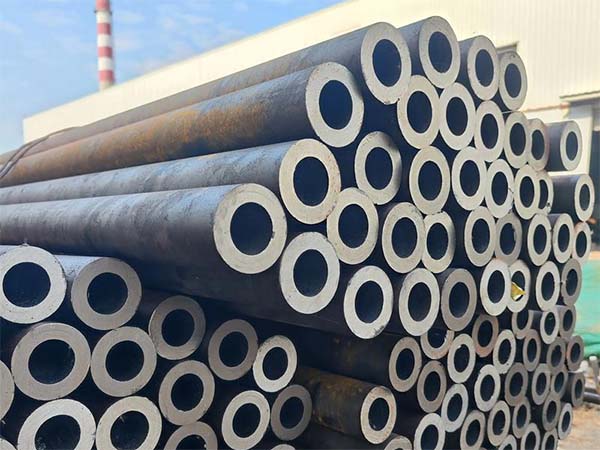
What is a Mild Carbon Steel Pipe?
Before diving into the pros and cons, let's define the material. Mild carbon steel typically contains a low percentage of carbon—usually between 0.05% and 0.25% by weight.
Unlike high-carbon steels, this low carbon content gives the steel unique mechanical properties: it makes the pipes more malleable, ductile, and easier to weld, though it does slightly reduce its natural tensile strength compared to higher-carbon variations.
The Advantages of Mild Carbon Steel Pipes
Mild carbon steel pipes are widely utilized across industries—from water transport to oil and gas lines—due to several distinct benefits:
1. High Cost-Effectiveness
Budget is a driving factor in any engineering project. Mild carbon steel is significantly less expensive to manufacture than stainless steel, copper, or alloy steels. If your project requires thousands of meters of piping, mild carbon steel provides the best cost-per-foot value.
2. Excellent Weldability and Fabricability
Because of its low carbon content, mild steel does not become brittle when heated. This makes mild carbon steel pipes exceptionally easy to weld, cut, bend, and thread into customized shapes on-site. It saves labor time and reduces installation complexity.
3. High Ductility and Flexibility
These pipes possess excellent ductility, meaning they can bend and flex under stress rather than cracking or snapping. This property makes them ideal for structural applications, underground piping, and areas prone to minor seismic activity or vibrations.
4. Sustainability and Recyclability
Mild steel is 100% recyclable. Old piping systems can be melted down and repurposed without losing their structural integrity, making it an eco-friendly choice for modern green building initiatives.
The Disadvantages of Mild Carbon Steel Pipes
While the benefits are substantial, mild carbon steel pipes are not a flawless universal solution. You must consider the following drawbacks before purchasing:
1. High Vulnerability to Corrosion (Rust)
The biggest disadvantage of mild carbon steel is its low resistance to oxidation. When exposed to moisture, oxygen, or acidic soil, it rusts quickly.
Solution: To mitigate this, mild steel pipes are often galvanized (coated with zinc) or treated with protective anti-corrosion coatings (such as epoxy or 3PE coatings).
2. Lower Tensile Strength Than High-Carbon Steel
While strong enough for standard industrial uses, mild steel has lower tensile strength and hardness than medium or high-carbon steel. It may not hold up as well under extreme high-pressure or heavy structural loads without increasing the wall thickness of the pipe.
3. Limited Aesthetic Appeal
Unlike sleek stainless steel or warm copper, raw mild carbon steel has a dull, dark grayish-black appearance. Over time, surface rust can further compromise its looks, making it less suitable for exposed architectural applications where aesthetics matter.
Common Applications
Given their balanced characteristics, mild carbon steel pipes are the standard choice for:
Water Distribution: Low-pressure water mains and plumbing (usually galvanized).
Structural Tube Frameworks: Scaffolding, building columns, and handrails.
Fire Sprinkler Systems: Standard black steel pipes used for fire protection grids.
Oil and Gas Transport: Low-to-medium pressure cross-country pipelines.
Conclusion
Choosing mild carbon steel pipes comes down to balancing cost versus environment. If your project demands budget efficiency, easy on-site fabrication, and standard structural strength, mild steel is tough to beat. However, if your pipes will be constantly exposed to harsh chemicals, marine air, or moisture, you must budget for anti-corrosive coatings or opt for corrosion-resistant materials like stainless steel or HDPE.


 Language
 English
 Español
 بالعربية
 sales@central-steels.com
 0086-731-8865-5017