في هندسة الأساسات ، وبناء السدود ، وتطوير الموانئ ، فإن أكوام الألواح ليست فقط "الهيكل العظمي" الهيكلي ولكن أيضًا توازن حاسم بين السلامة والتكلفة. إلى جانب تصميم الشكل ، فإن درجة الفولاذ هي واحدة من أهم العوامل التي تحدد أداء أكوام الألواح.
اختيار الدرجة الخاطئة لا يزيد فقط من تكاليف المواد ولكن يمكن أن يؤدي أيضًا إلى مخاطر هيكلية. ستقدم هذه المقالة تحليلًا متعمقًا لقيادة العالم
كومة صفيحة فولاذيةالمعايير (EN ، JIS ، ASTM ، GB) لمساعدتك على اتخاذ القرارات الأكثر استنارة.
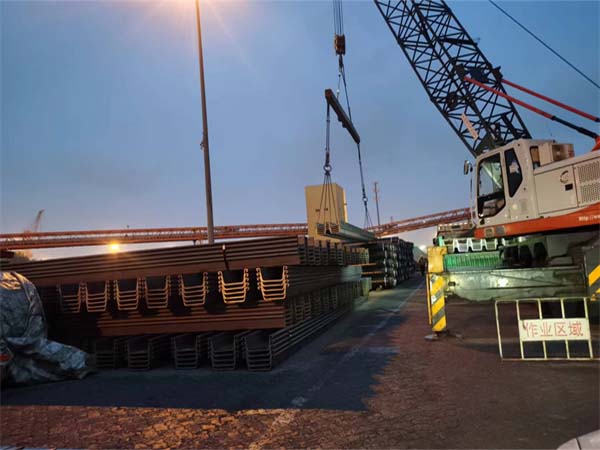
لماذا تعتبر درجة أكوام الورق مهمة للغاية ؟
يتم تصنيف درجات الفولاذ وفقًا لتركيبها الكيميائي وخواصها الميكانيكية. في تطبيقات كومة الصفائح ، يحدد الصف مباشرة:
القوة الهيكلية وقدرة التحمل: درجات القوة العالية تعني مقاومة الانحناء الأقوى.
كفاءة البناء: قابلية اللحام الجيدة تقلل من صعوبة البناء.
المتانة على المدى الطويل: في بيئات رش الملح أو البيئات المسببة للتآكل ، يمكن لدرجات محددة إطالة عمر الخدمة بشكل كبير.
تحسين التكلفة: تسمح درجات القوة الأعلى في كثير من الأحيان بمقاطع عرضية أخف ، مما يقلل من تكاليف المواد الإجمالية.
مقارنة المعايير السائدة والدرجات الشائعة المستخدمة لتراكم ألواح الصلب على مستوى العالم
تستخدم بلدان ومناطق مختلفة معايير مختلفة في هندسة ألواح الصلب. يلخص الجدول أدناه معايير المواد الأكثر استخدامًا في جميع أنحاء العالم:
المعايير القياسية المعمول بها المعايير الأساسية المستخدمة عادة الدرجات
|
Standard System
|
Applicable Standards
|
Core Common Brand Names
|
|
EN
|
EN 10248
|
S240GP, S355GP
|
|
JIS
|
JIS A5523
|
SY295, SY390
|
|
ASTM
|
ASTM A572 / A690
|
Grade 50, A690
|
|
GB
|
GB Standards
|
Q235B, Q355B
|
Core Advantages of Four Standard Systems
1. European Standard (EN 10248)
EN 10248 is currently the most widely used
hot-rolled steel sheet pile standard globally.
S240GP/S270GP: Mostly used in temporary works or projects with low loads.
S355GP: The most popular grade, widely used in permanent support and deep foundation systems.
S390GP: Designed specifically for heavy infrastructure and marine engineering.
2. Japanese Standard (JIS)
SY295: High cost-performance ratio, the first choice for general construction and temporary support.
SY390: Provides higher yield strength, suitable for ports, deep foundations and heavy retaining structures.
3. American Standards (ASTM)
ASTM A572 Grade 50: High-strength low-alloy steel, combining strength and weldability, suitable for heavy construction.
ASTM A690: A star material for marine engineering. Designed specifically for coastal environments, its corrosion resistance is far superior to ordinary carbon steel, making it the best choice for docks, seawalls, and offshore structures.
4. Chinese Standards (GB)
Q235B: Classic lightweight structural steel.
Q355B: With technological advancements, Q355B is increasingly popular in large-scale projects due to its excellent balance of strength and weldability.
Selection Guide: How to Choose the Most Suitable Grade and Designation?
When selecting sheet pile grades, professional engineers typically weigh the following four dimensions:
Environmental Challenges: Is the project located in a coastal area with high salt spray? If so, ASTM A690 should be given priority.
Load Requirements: Deep foundation pits or heavy retaining walls require higher yield strength (such as S355GP or SY390) to resist earth pressure.
Service Life: For temporary support projects, SY295 or S240GP is recommended to save on budget; permanent structures require a higher level of durability.
Construction Feasibility: While high-strength steel has superior performance, it places more stringent requirements on welding processes.
FAQ: Frequently Asked Questions about Sheet Pile Grades
Q: Which is more commonly used, S355GP or SY390?
A: These two grades are "evergreen" under EN and JIS standards, respectively, because they achieve an excellent balance between cost and strength.
Q: Is a higher strength grade of steel always a better choice?
A: Not necessarily. While high-strength steel can increase load-bearing capacity and reduce weight, its material cost and welding complexity also increase. A cost-effectiveness assessment should be conducted based on the actual needs of the project (such as water depth and soil conditions).
Q: Why does marine engineering prefer ASTM A690?
A: Because it has a special chemical composition that provides excellent corrosion protection in the splash zone, significantly extending the life of the structure.
Read more : Steel grades for piling pipe
 Central Steel


 لغة
لغة English
 Español
 بالعربية
 sales@central-steels.com
 0086-731-8865-5017